2026 Gaming Predictions: GTA 6 Delay, AI Hardware, & Half-Life 3

▼ Summary
– Analysts provided a mixed assessment of their 2025 predictions, noting GTA 6 was delayed, Fortnite solidified its platform status, and the Nintendo Switch 2 launch was strong but faces challenges surpassing its predecessor.
– Key predictions for 2026 include a potential further delay for GTA 6 testing industry patience and Valve possibly shocking the industry with a Half-Life 3 reveal focused on technology leadership.
– The Nintendo Switch 2 is expected to trail the original Switch’s sales due to a shrinking first-time buyer pool and increased competition from portable PC handhelds like the Steam Deck.
– AI investment is predicted to raise hardware costs and barriers to entry for gaming, while cloud gaming services are focusing more on casual and family audiences to drive mainstream adoption.
– The market is forecast for steady, slow growth in 2026, with GTA 6’s release expected to boost console spending, and trends pointing to more mid-priced games, narrative titles, and major IP engaging with UGC platforms like Roblox and Fortnite.
Looking ahead to 2026, the video game industry stands at a fascinating crossroads, shaped by blockbuster releases, technological shifts, and evolving business models. Insights from leading analysts point to a year defined by high-stakes launches, strategic platform expansions, and the quiet yet profound influence of artificial intelligence on hardware ecosystems. The performance of titans like Grand Theft Auto VI and the potential re-emergence of legendary franchises will capture headlines, while underlying currents in market growth and investment patterns will set the stage for the industry’s future.
Reflecting on last year’s forecasts, the results were a mixed bag. Grand Theft Auto VI did indeed dominate the conversation, though its journey was marred by unexpected delays. The Nintendo Switch 2 launched to solid numbers but has yet to find a system-selling title to propel it beyond its predecessor’s shadow. Ubisoft stabilized its position through a partnership with Tencent, averting drastic outcomes like acquisition or dismantling. Meanwhile, Fortnite solidified its status as a major platform, challenging traditional storefronts, while the live-service landscape saw a clear separation between breakout hits and notable struggles.
For the coming year, several bold predictions are on the table. One major expectation is that Valve will stun the gaming world by officially announcing Half-Life 3. This move is anticipated to be less about nostalgic fan service and more a demonstration of cutting-edge PC technology, serving as a statement on the future of high-end gaming.
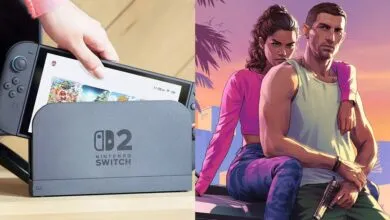
Conversely, concerns are mounting around Rockstar’s behemoth. A further delay for GTA 6 in 2026 could seriously test market patience, shifting sentiment from confidence in the developer’s renowned polish to anxiety over project scope and complexity. This prolonged wait risks creating expectation fatigue, making it extraordinarily difficult for the final product to satisfy over a decade of accumulated hype.
On the hardware front, a more subtle but significant challenge is emerging. Substantial investment in AI infrastructure is beginning to strain the supply of critical components like memory and storage. This competition for resources is expected to drive up costs and limit availability for gaming hardware, effectively raising the entry barrier for new players. Developers may consequently need to scale back some technical ambitions, as targeting the highest-end specs could mean catering to an increasingly narrow and expensive market.
The predicted launch of a new Steam Machine faces its own hurdles. Analysts believe it will struggle to capture a broad audience. Console gamers may see little incentive to switch without compelling exclusives, while dedicated PC enthusiasts will likely prefer building their own powerful systems. Without a disruptive price point, the device could languish in an unappealing middle ground.
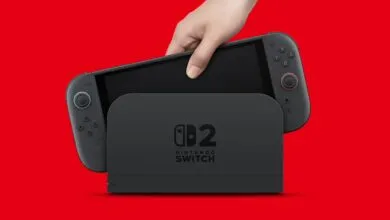
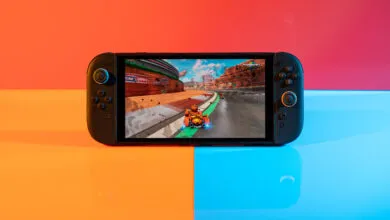
Regarding the Nintendo Switch 2, the outlook suggests it will continue to trail the sales trajectory of the original model. The pool of first-time Nintendo buyers is shrinking, and the platform faces stiffer competition from capable PC handhelds like the Steam Deck, eroding Nintendo’s historical dominance in portable gaming.
Other industry voices add further dimension to the 2026 forecast. Some analysts predict Microsoft will deepen its commitment to the Switch 2, potentially bringing major Xbox titles to the platform more swiftly, even on day one. Sony’s foray into mobile gaming, however, is viewed with skepticism, as titles like an MMORPG based on the Horizon franchise face questions about their target audience.
Market growth is projected to remain modest, in the 3-4% range, heavily influenced by the performance of the Chinese market and the eventual launch of GTA VI. This release is still anticipated to be the largest entertainment launch in history, driving a resurgence in console game spending. Content trends are expected to favor narrative-driven, culturally significant single-player titles, mid-priced premium games, and a continued wave of cozy gaming experiences.
Cloud gaming is finding a new strategic focus, moving beyond tech-centric pitches to target casual and family audiences through services like those from Netflix and Amazon. This shift could drive mainstream adoption by users who engage with the content without any awareness of the underlying streaming technology.
The intersection of gaming and major global events will also be prominent. 2026’s World Cup is expected to catalyze significant initiatives in sports gaming, fostering greater convergence between live sports audiences and digital interactive experiences. Furthermore, established game intellectual properties are predicted to make more serious moves onto user-generated content platforms like Roblox and Fortnite, recognizing their massive scale and cultural role.
Investment trends suggest a gradual increase in funding, particularly for companies positioned to capitalize on the next industry disruption. While mega-acquisitions may be rare, strategic investments by entities like Saudi Arabia’s Public Investment Fund could influence global cultural strategies. At the same time, direct-to-consumer initiatives will become commonplace for major mobile publishers, driven in part by evolving regulations that could reshape game discovery, especially for younger audiences.
A prevailing theme is the gradual diminishing importance of specific platforms. The focus is shifting toward central, ubiquitous experiences where the method of access, be it console, PC, or cloud, becomes secondary to the quality of the game itself. This aligns with a growing appreciation for cooperative games, which provide meaningful social connection in a digital space, a trend likely to continue growing.
Ultimately, 2026 appears to be a year for resilience and adaptation. The industry’s entrepreneurs and developers are expected to continue finding innovative paths forward, exploring new revenue streams, building fresh communities, and creating novel gaming experiences. In a complex and competitive landscape, creating more opportunities for success will be just as crucial as hoping for a lucky break.
(Source: Games Industry)