Vibe Coding: The Future of Search Marketing Workflows
▼ Summary
– Search marketers are adopting “vibe coding,” using AI development tools to build interactive content quickly, bypassing long developer queues to respond to a zero-click search environment.
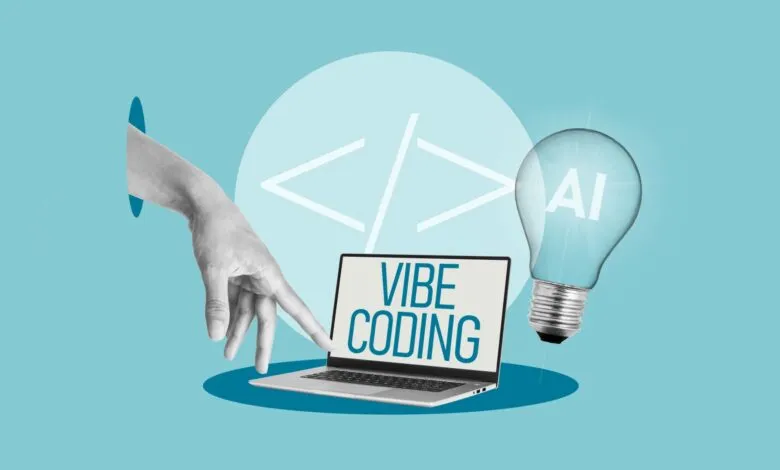
– Vibe coding involves directing AI with natural language to build software, focusing on intent over manual coding, a method popularized by OpenAI’s Andrej Karpathy in early 2025.
– This approach is distinct from vibe marketing, as it focuses on building applications, while automation platforms connect systems, and together they allow teams to both create and operationalize tools.
– For SEO and PPC, vibe coding enables the creation of unique, conversion-focused tools that increase engagement and are hard for Google’s AI Overviews to replicate, potentially becoming a core marketing skill.
– Successful vibe coding requires a disciplined process and awareness of risks like security gaps and technical debt, but it offers a competitive edge by allowing teams to build valuable, non-replicable user experiences.
The landscape of search marketing is undergoing a fundamental shift. As Google’s AI Overviews pull more answers directly onto the results page, the traditional model of optimizing for clicks is being challenged. In this emerging zero-click environment, the ability to build unique, interactive tools is becoming a critical skill for marketers. A new approach, often called vibe coding, is empowering SEO and PPC teams to rapidly create and test conversion-focused applications without waiting for lengthy developer cycles. This hands-on capability allows marketers to deliver direct value that search engines cannot easily replicate, turning a defensive challenge into a proactive opportunity.
Vibe coding refers to a method of software development where the builder uses natural language to direct AI systems, focusing on the intended outcome rather than writing code line by line. The term gained traction in early 2025, capturing a style where ideas are tested quickly and functional tools are built at speed. A growing ecosystem of platforms now makes this accessible to non-developers. Tools like Replit, Lovable, and Cursor allow teams to design, deploy, and iterate on web-based applications with minimal setup, dramatically accelerating the journey from concept to a live product.
However, this speed requires discipline. Vibe coding is most effective when treated as a craft, not a mere shortcut. Blindly accepting AI-generated code or skipping review processes can lead to fragile systems and technical debt. Success involves learning to guide, question, and refine the AI’s output. This balance between rapid experimentation and thoughtful oversight is what makes the practice both powerful and demanding for marketing professionals.
It’s important to distinguish vibe coding from related concepts like vibe marketing. The former uses AI no-code tools to build applications and interactive experiences. The latter employs AI automation platforms such as N8N or Make to connect existing systems and workflows together. Used in tandem, they allow search teams to not only create unique tools but also seamlessly integrate them into their broader marketing technology stack.
The relevance for search marketing is profound. As AI-powered coding platforms become more common, hands-on experience with them is likely to evolve from a novelty into a core competency. For SEO, vibe coding enables marketers to add meaningful utility to websites, which can increase user engagement and encourage return visits, signals that are increasingly important in AI-driven search rankings. For paid search, teams can rapidly prototype interactive content ideas and drive traffic to test their impact on leads or sales.
The applications are practical and diverse. Common use cases include building interactive calculators for lead generation, creating content optimization tools like readability analyzers, and developing custom data dashboards for reporting. The key is to focus on building tools that solve a genuine problem for the target audience, offering utility that doesn’t already exist. A well-designed tool can earn backlinks, increase time on site, and improve critical engagement metrics.
For those ready to begin, a structured process yields the best results:
- Research and Ideation: Identify content gaps through SERP and audience analysis.
- Create a Specification: Document functionality, design, and constraints in detail before starting.
- Design First: Finalize wireframes and user interface before adding complex logic.
- Prompt with Intent: Engage with the AI like a product manager, asking why specific decisions were made.
- Deploy and Test: Validate the tool in a live test environment.
- Document Everything: Update the specification to reflect the final build for future reference.
- Launch and Promote: Coordinate with marketing and PR teams to ensure the tool reaches its intended audience.
While powerful, these tools come with important considerations. Security and compliance must be prioritized, as AI-generated code may not follow best practices for data handling. Cost management is also crucial, as monthly fees can scale quickly with traffic. Perhaps the most significant risk is technical debt; tools built without understanding can break, leaving teams with unmanageable code. Human review and ongoing documentation are essential safeguards.
Ultimately, vibe coding represents a competitive edge in a changing digital world. The advantage is shifting to teams that can build indispensable, interactive experiences. This capability also transforms client and team relationships, moving from a service model to a collaborative partnership. The platforms are accessible and often free to start. The real risk isn’t in experimenting, it’s in failing to explore what’s now possible. Building something useful today is often just one well-crafted prompt away.
(Source: Search Engine Land)