Larian CEO Denies AI Use in Divinity, Vows No Job Cuts
▼ Summary
– Larian Studios is using generative AI internally for tasks like exploring ideas, creating concept art references, and writing placeholder text, but not in final game content.
– Studio founder Swen Vincke clarified that the company is not replacing human workers with AI and is actively hiring more concept artists and writers.
– The initial Bloomberg report and Vincke’s remarks sparked significant backlash from parts of the gaming community and some former employees.
– Vincke emphasized that AI tools are intended to improve creative workflows and make daily work easier, not to replace human skill or craft.
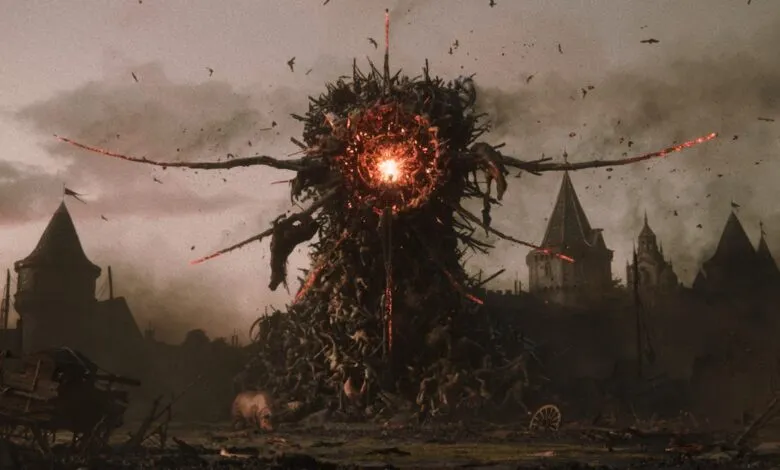
– The studio confirms its upcoming game, Divinity, will not contain any AI-generated content, with all final assets being created by human actors and artists.
Recent reports suggesting Larian Studios is heavily integrating generative AI into its development process for the upcoming Divinity have sparked significant debate. The studio’s founder, Swen Vincke, has now issued a firm clarification, stating unequivocally that the final game will contain no AI-generated content and that the company has no plans to replace any team members with artificial intelligence. He emphasizes that any use of machine learning tools is strictly exploratory and aimed at supporting, not supplanting, human creativity.
The controversy originated from a published interview where Vincke discussed the studio’s experimentation with generative AI for tasks like brainstorming ideas, creating presentation materials, and developing early concept art and placeholder text. The phrasing used in the report led many to believe Larian was aggressively pursuing AI to replace human roles, a claim that has drawn sharp criticism from both the broader game development community and some former Larian staff.
In response to the growing backlash, Vincke provided IGN with a detailed statement to set the record straight. He highlighted that Larian is actively expanding its creative teams, including hiring more concept artists, writers, and translators. The studio currently employs 23 concept artists within a larger art team of 72 and is looking to add more. Vincke framed the internal use of AI tools as a research initiative focused on understanding how machine learning can alleviate mundane tasks, thereby freeing up developers to spend more time on substantive creative work. He reiterated that the core philosophy is to enhance the daily workflow of employees, not to undermine their positions or talents.
Vincke further took to social media to express his frustration with the characterization of Larian’s stance. He clarified that the studio is not “pushing hard” to replace concept artists with AI, calling the notion ridiculous. He explained that AI is used in a very limited capacity during the earliest ideation phases, similar to using Google or art books for reference, to create rough compositional outlines that are then completely replaced by original artwork from their team. The final product, he stresses, is entirely the result of human skill and effort.
The reaction from fans and industry observers has been mixed. While some defend the use of AI as a modern conceptual tool, akin to digital sketching, others remain deeply skeptical, citing previous industry controversies where AI use led to fan discontent. The situation underscores the highly charged and sensitive nature of AI adoption in creative fields, where the line between a helpful tool and a perceived threat to artistic jobs is intensely debated.
This discussion emerges as Vincke conducts multiple interviews following the official announcement of Divinity at The Game Awards. The studio has confirmed the title will be a turn-based role-playing game, continuing the legacy of its acclaimed franchises.
(Source: IGN)