YouTube Auto-Detects and Labels AI-Generated Content
▼ Summary
– YouTube is moving AI labels to more visible locations: below the video player for long-form videos and as an overlay for Shorts, instead of in the description.
– YouTube will now automatically apply labels when it detects undisclosed photorealistic AI content, supplementing creators’ manual disclosure requirement.
– Creators can dispute incorrect automatic labels in YouTube Studio, and labels are permanently attached to content made with YouTube’s own AI tools or containing C2PA metadata.
– AI labels do not directly affect video recommendations or monetization, though viewer response to the labels could influence performance.
– The change aims to give viewers immediate awareness of AI-generated content, which is especially relevant for Shorts where one in five recommendations to new users is AI-made.
YouTube is rolling out a significant update to how it handles AI-generated content, introducing automatic detection and placing disclosure labels in more prominent locations across the platform. The goal is to give viewers immediate clarity on whether what they are watching was created with artificial intelligence.
The changes focus on both the placement of labels and the method of application. YouTube Creator Liaison Rene Ritchie outlined the updates in a dedicated video accompanying the official announcement.
New Label Placement
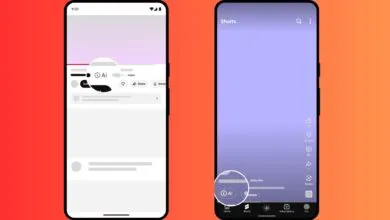
For long-form videos, the “AI” label will now appear directly beneath the video player, rather than buried in the expanded description section. For Shorts, the label will be overlaid directly onto the video itself. Previously, these disclosures were tucked inside the description panel, requiring viewers to click to see them. Labels only appeared on the player for sensitive topics like health, news, elections, or finance. The new positioning ensures viewers can see AI disclosures without any extra effort. YouTube notes that content that is unrealistic, animated, or only slightly altered can still be automatically flagged as AI-generated. Ritchie explained the rationale: “If it looks real, but was made with AI, viewers will know immediately.”
Automatic Detection System
While creators are still required to manually disclose when they use AI tools, YouTube is now adding its own automated detection layer. The platform will automatically apply labels when it identifies photorealistic AI content that a creator has not disclosed. Ritchie clarified, “If YouTube systems detect significant photorealistic AI, and it hasn’t been disclosed, we’ll now apply that label automatically.” This automated system does not replace the manual disclosure requirement; it acts as a safety net.
Permanent Labels and Creator Disputes
Creators who believe their content has been incorrectly labeled can dispute the status through YouTube Studio. Labels are permanent on content created with YouTube’s own AI tools, such as Veo and Dream Screen, as well as on content carrying C2PA metadata that confirms it was entirely AI-generated. This ensures that the provenance of AI-created material remains clear over time.
No Direct Impact on Recommendations or Revenue
YouTube has confirmed that the labels themselves do not affect how the algorithm recommends videos or whether they can earn money. Ritchie stated, “These labels alone do not affect how our videos are recommended or whether they can earn money. This is purely about giving viewers the right information at the right time.” This means a properly disclosed AI video will not be downranked simply because it carries the label. However, the company acknowledges that labels could indirectly influence performance. If viewers see an AI disclosure and decide not to click or watch for less time, those behavioral signals may affect how the video performs in recommendations. In that sense, the update does not create a direct algorithm penalty, but it gives viewers clearer context, and their response may shape what happens next.
Why This Matters
Visible AI labels provide viewers with a straightforward way to distinguish human-created content from AI-generated material before they decide to watch. This is a significant improvement over the previous system, where disclosures were hidden in the description. The impact is especially pronounced on Shorts, where one in five videos recommended to new users is AI-generated.
Looking Ahead
The long-term question is whether viewers will treat labeled content differently. YouTube insists the algorithm will not penalize it, but audience behavior could create its own sorting effect as labels become more prominent and visible across the platform.
(Source: Search Engine Journal)