Netflix Finds Its Identity With Warner Bros. Acquisition

▼ Summary
– Netflix has acquired Warner Bros. for $83 billion, gaining its film/TV operations, HBO, and a vast catalog including Batman, Harry Potter, and Game of Thrones.
– This acquisition gives Netflix a clear brand identity and a back catalog to rival Disney+, which it previously lacked as a generalist streaming service.
– Analysts believe the deal will help Netflix attract and retain subscribers and increase its industry standing for talent recruitment and negotiations.
– The surprise deal followed weeks of uncertainty and competing bids from companies like Comcast and Paramount Skydance.
– A key question is how Netflix will manage Warner Bros.’ legacy, such as continuing theatrical releases for major directors or potentially using its library for AI-generated content.
Ask yourself a simple question: what truly defines a Netflix movie or show? While you can easily name hit titles, the platform has never been synonymous with a specific creative universe in the way Disney is with its iconic franchises. Netflix built its empire on variety, becoming a vast repository of content without a singular brand identity. That fundamental reality is poised for a seismic shift following its landmark $83 billion acquisition of Warner Bros., a move that instantly grants the streaming giant a legendary portfolio and a powerful new persona.
The announced deal secures Netflix the studio’s film and television operations, including the crown jewel of HBO and its streaming service, HBO Max. This consolidation means Netflix will soon steward an unprecedented library spanning from Batman and The Wizard of Oz to the epic realms of Westeros in Game of Thrones. Iconic properties like Harry Potter, The Lord of the Rings, and The Sopranos will also fall under its purview, fundamentally altering the streaming landscape.
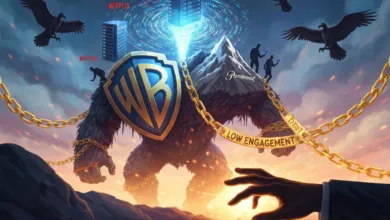
Industry analysts note that securing content with such immense cultural recognition is a masterstroke for subscriber growth and retention. Beyond attracting audiences, this acquisition elevates Netflix’s stature within Hollywood itself, strengthening its position in talent negotiations and recruitment. The surprise announcement sent shockwaves through the industry, which had been speculating for weeks about the fate of Warner Bros. Discovery amidst bids from rivals like Comcast and Paramount Skydance. Netflix’s successful offer ultimately positions it as the definitive home for revisiting classic franchises and experiencing new chapters in universes like the DC Extended Universe under James Gunn.
In one bold transaction, Netflix has acquired the cohesive identity it previously lacked and a back catalog that now directly rivals Disney+. This move has the potential to transform the streamer into something much closer to a traditional, legacy Hollywood studio. However, this transformation presents a critical strategic crossroads.
The major question now is how Netflix will wield its newfound legacy. Observers are already debating whether the company will uphold Warner Bros.’ commitment to theatrical releases, a model cherished by acclaimed directors like Denis Villeneuve. Others speculate whether Netflix’s noted interest in generative artificial intelligence, combined with Warner Bros.’ massive content library, could lead to a new era of AI-assisted production. These potential paths seem to pull in opposite directions. The acquisition forces a defining choice: will Netflix leverage the Warner Bros. heritage to operate as a major studio championing cinematic art, or will it primarily utilize these assets to fuel an even greater volume of content? The answer will shape the future of entertainment.
(Source: Wired)