Horror Game ‘Horses’ Pulled from Stores Amid Censorship Fears
▼ Summary
– The horror game “Horses” was banned from Steam, the Epic Games Store, and briefly Humble Games, with Steam citing violations of its sexual content policies.
– The developer, Santa Ragione, believes the ban stems from an early, unrepresentative build of the game that Valve may have interpreted as featuring a minor in a sexually suggestive situation.
– The Epic Games Store justified its ban with contested claims about an AO rating, animal abuse promotion, and sexual content, which the developer denies.
– This incident is part of a broader trend where Valve updated its policies to let payment processors and banks influence censorship, leading to widespread game removals.
– These policy changes and bans are reportedly influenced by pressure from anti-porn organizations, leading to opaque and strict censorship by digital storefronts.
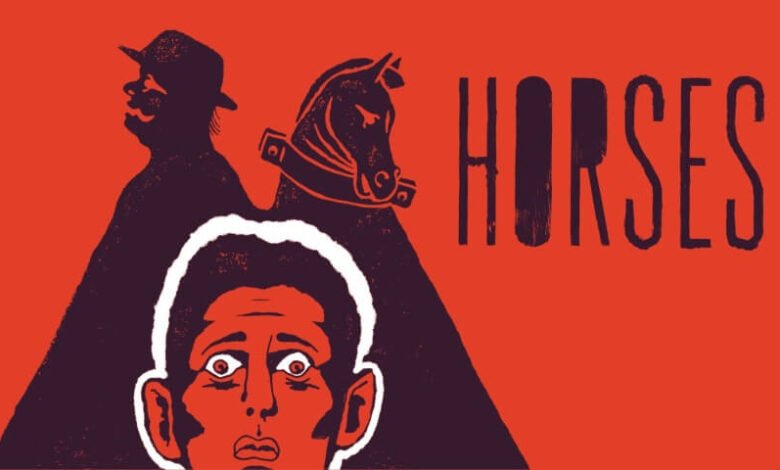
The recent removal of the horror game ‘Horses’ from major digital storefronts highlights a growing and contentious issue within the video game industry: opaque content moderation policies. Developed by Santa Ragione, the studio behind Saturnalia, the game faced a sudden and coordinated rejection. Just before its scheduled December 2nd launch, Valve refused to allow it on Steam. The Epic Games Store, which had previously approved the title, then reversed its decision and also banned the game. Humble Games briefly followed suit, banning and then quickly reinstating the title within a single day, adding to the confusion.
Valve’s stated reason for the Steam ban was a violation of its sexual content policies. However, the developers report receiving no specific details about which content triggered the violation. Studio co-founder Pietro Righi Riva suggested to IGN that the issue may stem from an early build submitted to Valve in 2023. This version contained a scene, later altered, showing a young girl sitting on the shoulders of a naked woman wearing a horse mask. The game’s narrative involves a disturbing farm where humans are enslaved and treated like livestock. While the nudity was pixelated and the character was later changed to an adult to better align with the story, Riva believes Valve’s ban is based on that initial submission. The company reportedly enforces a strict policy against games featuring minors in sexually suggestive situations, which Santa Ragione insists this scene was not. Despite appeals and modifications to the content over subsequent years, Valve has not reversed its decision.
The justification from the Epic Games Store was markedly different. In an email to the developers, Epic claimed the game had an Adult Only (AO) rating, which the studio denies ever receiving. The storefront also alleged the game promoted animal abuse and contained “frequent depictions of sexual behavior,” both claims Santa Ragione strongly rejects, stating the game is a critique of such abuse. The fact that Epic had previously granted approval suggests its reversal was a reaction to Steam’s very public ban, pointing to a herd mentality among platforms.
This incident is part of a broader, alarming trend. In July, Valve updated its Rules and Guidelines with a vague but powerful clause. It now warns developers not to publish content that may violate standards set by “Steam’s payment processors and related card networks and banks, or internet network providers.” This change effectively outsources censorship decisions to financial institutions and ISPs. Following this update, Valve purged dozens of games from Steam in a single week, with the independent platform Itch.io enacting similar bans.
These purges appear linked to pressure from external advocacy groups. Reports indicate the Australian organization Collective Shout lobbied payment processors to cease services for platforms hosting content it deemed objectionable. This group has connections to pro-censorship Evangelical movements in the United States and has used its social media presence to amplify anti-trans activists. The result is a chilling effect where storefronts make preemptive, often opaque decisions to appease third parties.
The situation with ‘Horses’ underscores how modern digital censorship can be both draconian and frustratingly vague. Unlike the old Hollywood Hays Code, whose rules were at least documented, today’s platforms make unclear rulings based on outdated builds or unverified claims. This creates an unstable environment for creators, where artistic expression is subject to the shifting and often unaccountable whims of corporations and financial intermediaries.
(Source: AV Club)