Valve’s Steam Machine Price Hint Revealed

▼ Summary
– Valve has not announced the Steam Machine’s price yet, citing external factors like tariffs and market conditions as reasons for the delay.
– The company aims to price the Steam Machine competitively with the cost of building a PC with similar performance levels.
– Valve confirmed it will not sell the Steam Machine at a loss, unlike traditional console manufacturers, and will align pricing with current PC market expectations.
– The price will reflect the system’s unique features, including its small form factor, quiet operation, and integrated technologies like HDMI-CEC and custom wireless connectivity.
– Analysts predict a wide price range for the Steam Machine, from $400 to over $1,000, with some suggesting it may be priced similarly to the PS5 due to its specifications.
While the final price tag for Valve’s Steam Machine remains under wraps, the company has offered its most substantial hint yet. Valve software engineer Pierre-Loup Griffais has indicated that the target price will align closely with what it would cost an individual to construct a personal computer offering comparable performance. The aim is to be competitive within that general price window, delivering a solid value proposition for the hardware capabilities. Griffais clarified that numerous external market factors, including potential tariffs and supply chain complexities, currently make pinning down a precise figure challenging.
In a notable departure from industry norms, Valve has confirmed it will not adopt the traditional console business model of selling hardware at a loss. Instead, the Steam Machine’s pricing strategy will mirror the current PC market. The company emphasizes that its objective is to ensure the device represents a good deal for its performance tier. This approach means the final cost will not be subsidized by anticipated revenue from game and accessory sales, a common tactic used by competitors like Microsoft, Sony, and Nintendo.
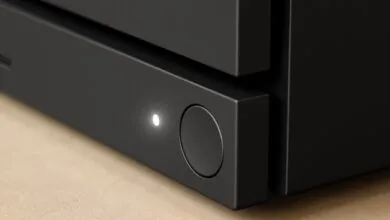
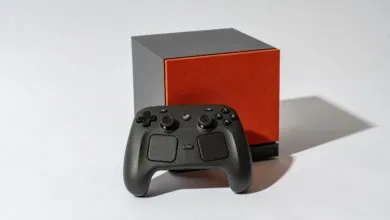
The final price will also reflect the engineering invested in the system’s distinctive features. Valve highlights the machine’s compact, six-inch cube design and its remarkably low noise output as significant value-adds. The integration of convenience technologies, such as HDMI-CEC for turning a TV on and off directly from the device, and custom-designed Bluetooth and wireless systems, further contributes to the cost. Griffais pointed out the unique user experience of pressing a single button on the controller to have the entire system power up seamlessly from the couch, a level of integrated convenience not typically found in the PC market.
For many potential customers, the value extends beyond raw hardware specs. The convenience of a pre-built, living-room-optimized system from a trusted company like Valve holds significant appeal. Lawrence Yang, a designer at Valve, echoed a sentiment felt by many, noting that while he built PCs in the past, he now prefers the simplicity of a ready-made solution. This time-saving aspect is a tangible benefit that some are willing to pay a premium for, positioning the Steam Machine as an alternative for those who want PC-level performance without the DIY effort.
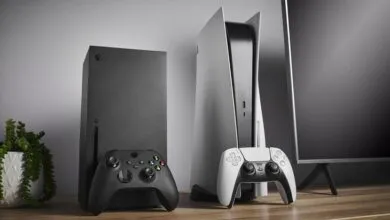
Expert predictions on the final cost vary widely, with estimates ranging from an entry-level $400 to over $1,000 for higher-end configurations. Some analysts, like Daniel Ahmad from Niko Partners, suggest the specifications point toward a price point similar to the PlayStation 5. Ahmad also noted that Valve faces headwinds from tariffs, rising memory costs, and supply chain volatility, all of which complicate its ability to offer deep subsidies.
Valve’s official stance remains that the Steam Machine is intended to be “affordable” and priced according to the overall value it provides to the user. The system is scheduled for a 2026 launch, though pre-orders have not yet commenced and a specific release date has not been finalized.
(Source: Gamespot)