Google Reverses New Android Developer Registration Rules

▼ Summary
– Google reversed its decision to require identity verification for all Android developers after facing widespread backlash from users and developers.
– The original plan would have blocked installation of apps from unverified developers starting in 2026 to prevent malware from sideloaded apps.
– Critics including F-Droid argued the verification requirement was about consolidating control rather than improving security.
– Google will now create special account types for limited app distribution and allow experienced users to sideload unverified apps with warnings.
– Developer verification will roll out globally by 2027, with initial implementation in Brazil, Indonesia, Singapore, and Thailand starting September 2026.
Google has decided to reverse its previously announced identity verification requirements for Android developers, responding to significant pushback from the community. The company will now introduce specialized account types for limited app distribution and provide a method for experienced users to install applications from unverified sources. This move represents a notable shift from the stricter security policy originally set to take effect in 2026, which was intended to combat malware spread through sideloaded apps.
The initial plan required all developers to verify their identity, a process involving a fee and submission of government ID, before their apps could be installed on certified Android devices. This proposal triggered widespread criticism from both developers and users, who viewed it as an unnecessary barrier and a move away from Android’s traditionally open ecosystem. Many expressed concerns that the policy would stifle innovation and limit access for hobbyists and smaller developers.
Prominent third-party app store F-Droid was among the vocal opponents, warning that the verification mandate could threaten its existence. The organization argued that the real motivation behind the rule was not security, but rather an effort by Google to consolidate control over the Android platform.
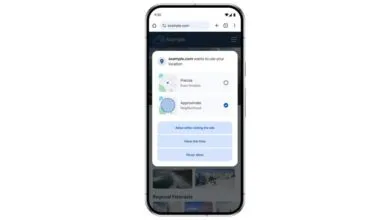
In light of the feedback, Google is now creating a dedicated account option for developers who only want to share apps with a small, private audience, such as friends or family. These accounts will not be subject to the full identity verification process. Additionally, the company is designing a new installation flow for advanced users who understand the risks of sideloading unverified apps. This system will display clear warnings but will ultimately permit users to proceed with the installation if they choose.
Matthew Forsythe, Director of Product Management for Android App Safety, acknowledged the community’s input, noting that the adjustments are meant to support both students and hobbyists seeking an accessible development path, as well as power users comfortable with assuming greater security risks.
Google has already begun inviting developers who distribute apps outside the Play Store to participate in an early access program for the verification system through the Android Developer Console. Play Store developers will be invited starting November 25. The verification program will become available to all developers in March 2026. A phased rollout will then begin in September 2026, starting with Brazil, Indonesia, Singapore, and Thailand, where only apps from verified developers will be installable. A global implementation is scheduled for 2027.
(Source: Bleeping Computer)