Lucid Unveils Its Own Autonomous Vehicle Technology
▼ Summary
– Lucid plans to sell privately owned Level 4 autonomous vehicles using Nvidia’s AI technology, despite current theoretical and logistical challenges.
– These future autonomous vehicles will be powered by Nvidia’s Drive AV platform, which processes sensor data and receives over-the-air software updates.
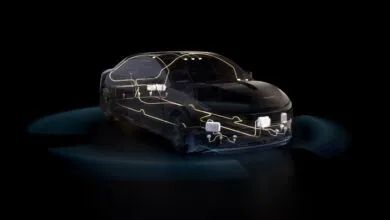
– Lucid is positioning its current DreamDrive Pro system as a step toward Level 4 autonomy, with a new midsized EV in 2026 featuring comprehensive sensors and Nvidia Drive AGX Thor computers.
– The feasibility of personally owned autonomous vehicles is resurfacing as costs for technology like lidar decrease, though profitability remains uncertain as seen with Waymo’s robotaxi operations.
– Lucid’s announcement aligns with automakers’ efforts to diversify post-EV tax credit expiration, and it also plans to sell thousands of vehicles to Uber for conversion into robotaxis by 2026.
Lucid Motors has announced its ambitious plan to enter the autonomous vehicle market, partnering with Nvidia to develop Level 4 self-driving technology for privately owned cars. This move positions Lucid among a growing number of automakers aiming to deliver fully autonomous vehicles directly to consumers, despite significant technical and regulatory hurdles still facing the industry.
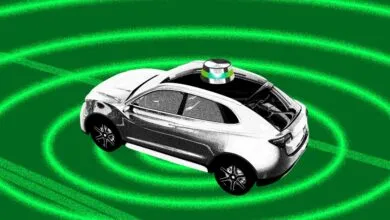
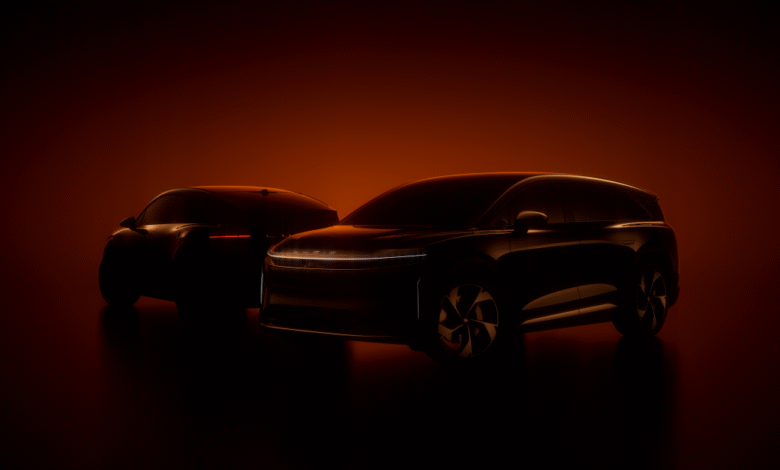
Currently, Lucid’s existing driver assistance suite, DreamDrive Pro, serves as a stepping stone toward this future capability. The company’s current lineup includes the Air sedan and Gravity SUV, with a new midsized electric SUV scheduled for a 2026 debut. This upcoming model will be equipped with a comprehensive sensor array, including cameras, lidar, and radar, designed to enable what Lucid describes as the first true hands-off, eyes-off, mind-off autonomous driving experience for personal vehicle owners. At the core of this system will be dual Nvidia Drive AGX Thor computers, operating on Nvidia’s DriveOS software platform.
The concept of consumer-owned autonomous vehicles has regained momentum as the cost of essential hardware continues to fall. Lidar sensors and high-performance computing components, once prohibitively expensive for retail buyers, are becoming more affordable. This economic shift is renewing interest in privately operated self-driving cars, whereas industry focus had previously centered on fleet-owned robotaxis to distribute the high initial investment.
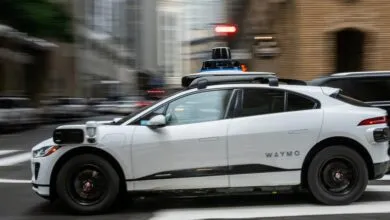
However, the path to profitable consumer autonomy remains uncertain. Waymo, a recognized leader in the robotaxi sector, still operates in limited geographic areas and is not expected to achieve profitability in the near term. Selling personally owned autonomous vehicles could become feasible, but potentially at a substantial financial loss for manufacturers in the short run.
Lucid’s announcement also comes at a pivotal moment for the electric vehicle industry, following the expiration of the federal $7,500 EV tax credit. With sales projections dipping without this incentive, automakers are under pressure to demonstrate diversified and forward-looking business strategies to reassure investors. Competitors like General Motors have recently unveiled initiatives related to semi-autonomous technology and home energy solutions. Lucid, known for its luxury electric vehicles, is following a similar playbook by emphasizing its advanced tech roadmap.
In a parallel effort, Lucid has secured a deal to supply thousands of its vehicles to Uber. These cars will be retrofitted for use as robotaxis, with the first pilot service anticipated to launch in 2026. This dual approach, developing both consumer and commercial autonomous applications, highlights Lucid’s broader strategy to cement its role in the future of automated transportation.
(Source: The Verge)