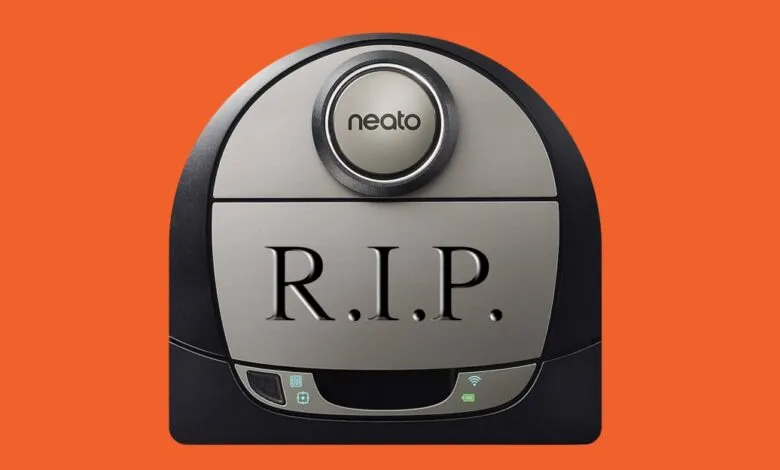
Neato’s Cloud Shutdown Traps Robot Vacuums in Manual Mode
▼ Summary
– Neato Robotics’ robot vacuums have lost cloud service access, preventing app control through the MyNeato app.
– Vorwerk maintained the cloud platform to fulfill a five-year service promise after Neato ceased operations in 2023.
– Discontinuation is due to outdated systems no longer meeting current cybersecurity standards and regulations.
– The vacuums now only operate in manual mode, disabling routine customization and remote app control.
– This follows Neato’s earlier announcement of phasing out cloud services, two years into its five-year support commitment.
Owners of Neato robot vacuums are now facing a significant change in how their devices operate, as the cloud services that once enabled remote control and scheduling have been permanently shut down. This development effectively traps these automated cleaners in manual mode, stripping away the convenience that made them a modern household staple.
Users recently began receiving emails notifying them that access to the MyNeato app has been discontinued. The message explains that while Vorwerk, the parent company, upheld its original five-year service commitment for a time, evolving cybersecurity requirements and compliance regulations have made it impossible to continue operating the outdated cloud infrastructure safely.
The direct consequence is that Neato robot vacuums can no longer be started, stopped, or scheduled via the smartphone application. All functionality is now restricted to the physical buttons on the devices themselves. This shift to a manual-only mode eliminates the ability to create cleaning routines or control the vacuum from another room or while away from home.
This service termination aligns with earlier warnings from the company. Neato Robotics, which Vorwerk acquired back in 2017, ceased its own operations in 2023. The recent phase-out of cloud support arrives just two years into the promised five-year period, leaving some customers with a product that no longer functions as originally advertised. The company’s decision highlights the challenges of maintaining legacy smart home ecosystems in a rapidly advancing digital landscape.
(Source: The Verge)