5 Digital Marketing Tactics That Deliver Results in 2025

▼ Summary
– Optimize content for AI tools by writing one main idea per paragraph, answering questions directly, and using structured formatting to improve visibility and reach.
– Create short-form video content for platforms like TikTok and Instagram Reels by repurposing existing videos and posting on multiple platforms to maximize audience engagement.
– Conduct deep audience research by analyzing customer support conversations, online forums, and competitor reviews to better understand and address customer needs.
– Use retargeting ad campaigns to re-engage website visitors by creating audience segments based on behavior and excluding converters to improve ad effectiveness.
– Develop interactive content such as ROI calculators and assessment tools to provide personalized value, generate leads, and attract backlinks for business growth.
For businesses aiming to expand their digital footprint in 2024, adopting forward-thinking marketing approaches is essential for staying competitive and connecting with modern consumers. These actionable methods translate strategic goals into measurable outcomes, directly fueling business growth and enhancing online visibility.
Optimizing Content for AI Discovery
Content Marketing
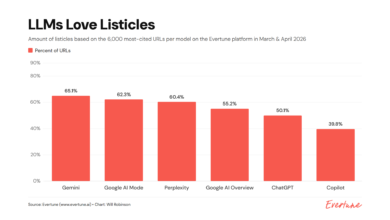
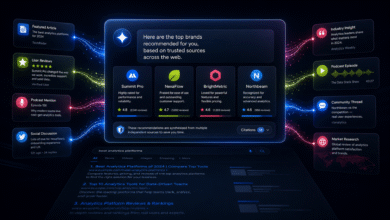
This approach primarily demands time to refresh existing material, alongside some budget for creating new, AI-friendly content. Enhancing your content for AI platforms such as ChatGPT, Google’s AI Overviews, and Perplexity is critical for reaching broader audiences. As these tools become primary information sources for many people, their influence on web traffic is projected to surpass traditional organic search by 2028, according to industry data. Securing visibility within these AI systems is therefore a strategic priority for any business focused on growth.
Effective optimization involves several key practices. Focus on presenting a single main idea within each paragraph. Keeping sections short and conceptually straightforward helps AI algorithms accurately identify and extract the most pertinent information for user queries. This clarity also significantly improves the human reader’s experience. Always lead with your most critical point.
For instance, rather than writing a dense paragraph covering multiple aspects of email marketing, present a powerful statistic upfront: “Research indicates that 35% of marketing leaders report an ROI between $10 and $36 for every dollar spent on email marketing.” You can then elaborate on related topics like personalization in subsequent paragraphs.
Always provide direct answers to questions. When a heading poses a query, address it immediately in the first sentence that follows. This “bottom line up front” technique is favored by both AI tools and users who seek quick, definitive answers. Supporting details and examples should come after the initial, clear response.
Incorporate original data presented in quotable, standalone statements. Using specific numbers makes your information more authoritative and easily citable by AI. For example, instead of a vague claim, state: “Our survey of 1,000 business owners found that 67% consider email marketing their top channel for acquiring new customers.” Conducting original studies can further establish your content as a trusted source for AI-generated answers.
Structure your content for easy parsing. Use descriptive headings, numbered lists for processes, and tables for comparing data or features. These formats are not only simple for AI systems to understand but are also commonly used by these tools when presenting information to users, thereby increasing your chances of being featured.
Leveraging Short-Form Video
Video Marketing
Getting started requires a moderate time commitment for planning, filming, and editing. A smartphone and free editing software are sufficient to begin, with the option to upgrade equipment later. Short-form videos on platforms like TikTok, Instagram Reels, and YouTube Shorts provide a powerful avenue for expanding your audience reach. They also allow you to extract more value from longer video content you already possess.
Success hinges on using the right formats. How-to guides, product comparisons, and quick tips directly answer common audience questions, offering genuine utility. An email marketing provider, for instance, might post brief videos explaining what damages campaign performance or showcasing customer success stories.
Repurposing top-performing long-form videos into short clips is an efficient strategy. Identify your most-viewed YouTube content with strong watch times. From a comprehensive video about email marketing for beginners, you could create multiple short clips focusing on specific aspects like key platform features or common mistakes to avoid.
Publishing on two or three platforms where your target audience is most active maximizes reach without overextending resources. B2B brands often find traction on LinkedIn, while B2C companies typically perform well on TikTok and Instagram Reels. Use audience analytics tools to pinpoint the exact platforms your customers frequent, and consider cross-posting the same video content to amplify its value.
Conducting Deep Audience Research
All Marketing Disciplines
This tactic involves a moderate time investment to collect and analyze data, followed by the effort to apply these insights across your marketing and content.
Scrutinizing customer support interactions from the last three to six months reveals recurring questions, complaints, and specific language customers use. Create a simple spreadsheet to log common questions, pain points, and the exact phrases people employ. This vocabulary should then inform your marketing copy and content topics, ensuring you speak your audience’s language.
Mining discussions on platforms like Reddit and niche forums provides unfiltered insight. Identify subreddits where your target audience discusses problems you solve. Pay close attention to frequently asked questions, recommended solutions, complaints about existing offerings, and the specific terminology people use. This reveals unmet needs and content opportunities.
Analyzing competitor reviews on sites like G2, Capterra, and Google uncovers what customers appreciate and what frustrates them. If reviews for a competing product consistently mention a “steep learning curve,” you can create content that highlights your solution’s ease of use, indirectly addressing a key competitor weakness.
YouTube comments are a rich, often overlooked data source. Analyze comments on your own videos and those of competitors. For videos with numerous comments, you can use AI tools to efficiently extract main pain points and language patterns. Prompt the AI to ignore feedback about the video itself and focus on the topic, organizing quotes by common themes. These insights can directly inspire new content ideas and product improvements.
Implementing Retargeting Ad Campaigns
Paid Advertising
This requires a moderate financial outlay for meaningful reach, plus time for initial setup and ongoing campaign optimization. Retargeting allows you to re-engage visitors who have already been to your website but did not complete a conversion. This is achieved by placing a tracking pixel on your site, which then enables your ads to follow these users as they browse other websites and social media.
Effectiveness is boosted by creating distinct audience segments based on user behavior. The messaging for someone who visited your pricing page should differ from that for a visitor who only read a blog post. Common segments include all website visitors, product page viewers who didn’t convert, shopping cart abandoners, and blog readers.
For e-commerce businesses, dynamic retargeting is particularly powerful. It automatically generates ads featuring the exact products a user viewed on your site, creating highly relevant and persuasive reminders.
To maintain efficiency and avoid ad fatigue, promptly exclude users who have already converted from your retargeting audiences. Additionally, set frequency caps to limit how often an individual sees your ads, preventing annoyance and wasted ad spend.
Developing Interactive Content
Content Marketing
This demands moderate time and potentially some financial investment, depending on the complexity of the tools and your team’s skills.
Building ROI calculators is highly effective for B2B businesses. A simple tool that lets users input basic data, like current spending or team size, can visually demonstrate the potential savings or earnings from using your product. The key is to keep it simple, ask for minimal information, and clearly show the value proposition.
Creating assessment tools or quizzes that provide personalized results is an excellent method for lead generation and earning backlinks. Structure these to deliver genuine value first. For example, a software company could offer a quiz to determine a user’s leadership style. Upon completion, the user receives insightful results alongside a subtle call-to-action to relevant website resources. For higher-value assessments, consider gating the results behind an email opt-in to build a list of engaged leads.
Choosing which of these marketing tactics to implement depends on your business’s specific gaps and available resources. If you lack video content and have a limited budget, focusing on AI content optimization might be the most cost-effective starting point. As you execute these strategies, continuously monitor your performance to refine your approach and ensure you are effectively growing your business’s online presence.
(Source: Semrush)