Apple Vision Pro to Vision Air: What’s Next for Spatial Computing?
▼ Summary
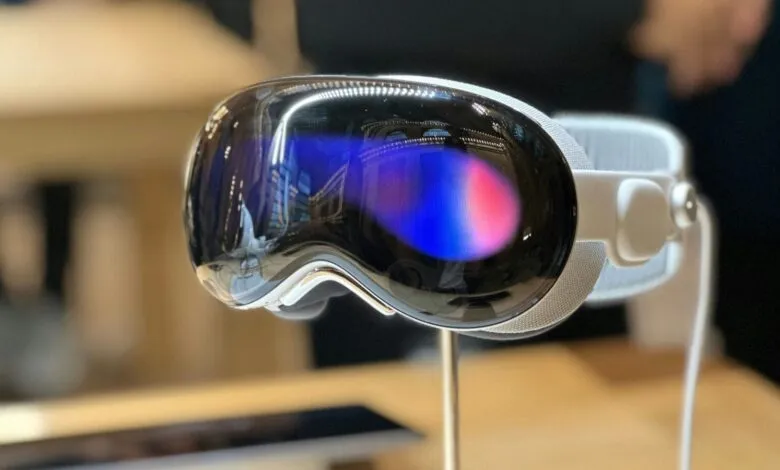
– Apple is developing a performance-enhanced Vision Pro update, likely featuring an M5 chip and improved neural engine for better speed and AI capabilities.
– The company is testing redesigned head straps for the Vision Pro to enhance comfort and reduce weight distribution on users’ heads.
– Apple is exploring a Mac-dependent Vision Pro model targeting specialized industries like medicine and aviation with ultra-low latency streaming capabilities.
– A more affordable and lighter headset nicknamed “Vision Air” is in development to address weight complaints and lower the cost barrier.
– Apple is working on lightweight smart glasses without displays but with microphones, speakers, and cameras, potentially launching in 2026 to compete with Meta’s Ray-Ban.
Apple’s journey into spatial computing appears far from over, with whispers of multiple new devices in development. The tech giant seems to be pursuing a multi-pronged strategy that includes a refreshed high-end headset, a more budget-friendly model, and even a pair of smart glasses designed for everyday use.
A modest but meaningful update to the Vision Pro is reportedly in the works, focusing on internal improvements rather than a complete redesign. Sources indicate Apple may replace the current M2 chip with the next-generation M5 processor, delivering a significant boost in both speed and power efficiency. An upgraded neural engine is also under consideration to enhance artificial intelligence capabilities. Comfort remains a key area of attention, with new head strap designs being tested to better distribute weight and reduce pressure.
Looking further ahead, Apple is said to be developing a specialized version of the Vision Pro intended for use with Mac computers. This model would target professionals in fields like medicine and aviation, where high-performance graphics and ultra-low latency are essential. By connecting directly to a Mac, this headset could stream displays or run enterprise applications with minimal delay, building on earlier concepts for augmented reality hardware.
Perhaps the most eagerly awaited product is the so-called Vision Air, a lighter and more affordable headset intended to bring spatial computing to a broader audience. This model aims to address common criticisms of the original Vision Pro, including its weight and high price. Reducing neck strain and making the technology more accessible are central goals for this anticipated device.
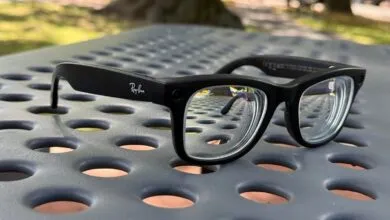
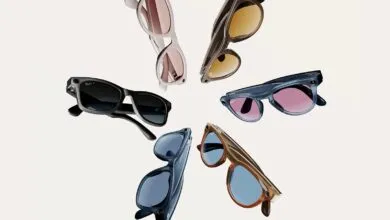
Beyond headsets, Apple is also exploring the development of smart glasses that could arrive as early as 2026. Unlike the Vision Pro, these glasses may not feature built-in displays but would instead incorporate microphones, speakers, and cameras. This approach would position Apple in direct competition with products like Meta’s Ray-Ban smart glasses, offering a more discreet and wearable form of augmented interaction.
(Source: LiveMint)