AI & SaaS: The New Unified Attack Surface
▼ Summary
– AI agents are now integral to SaaS ecosystems, accessing sensitive data and triggering workflows while introducing new risks that traditional security tools overlook.
– Security teams must manage SaaS and AI together to avoid dangerous blind spots, as treating them separately creates vulnerabilities.
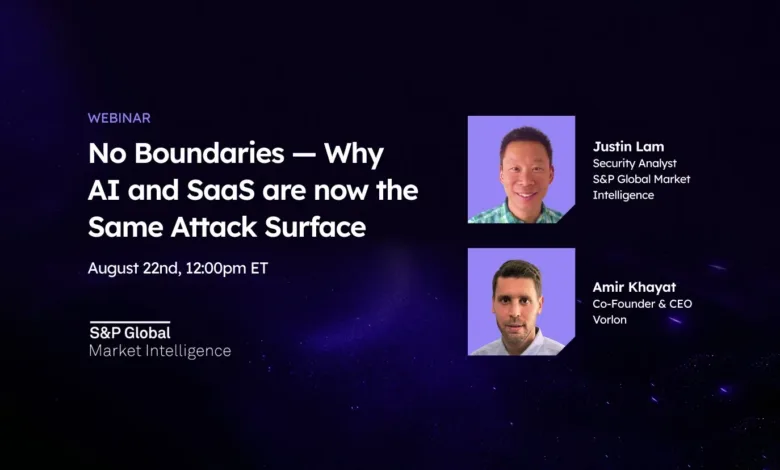
– The webinar will explain how SaaS and AI have merged into a single, dynamic attack surface that requires new security approaches.
– It will cover key research findings on SaaS security and analyze the ShinyHunters Salesforce attack to illustrate the “shared fate” concept in SaaS and AI security.
– Attendees will learn about the gap between perceived and actual SaaS risks and what unified SaaS and AI security looks like in practice.
The convergence of artificial intelligence and software-as-a-service platforms has fundamentally reshaped the digital risk environment, creating a unified and highly dynamic attack surface that traditional security measures struggle to contain. AI agents now operate with extensive permissions across SaaS ecosystems, accessing confidential information, automating critical processes, and introducing vulnerabilities that conventional security tools simply cannot detect. This integration demands a radical shift in how organizations approach cybersecurity, moving beyond isolated defenses to holistic protection strategies.
Security professionals are rapidly realizing that treating SaaS and AI as separate domains creates dangerous oversights. When intelligent systems interact with cloud applications, they form complex chains of access and authorization that legacy security posture management solutions weren’t designed to monitor. These interdependencies mean a breach in one area can cascade across the entire digital infrastructure with startling speed.
Recent investigations highlight the urgency of this evolving threat landscape. Key findings from 451 Research’s latest analysis reveal significant discrepancies between perceived safety and actual exposure within integrated SaaS environments. Many organizations remain unaware of how deeply AI-driven tools permeate their data workflows, leaving sensitive assets exposed to novel attack vectors.
The now-infamous ShinyHunters breach targeting Salesforce infrastructure underscores this new reality. That incident demonstrated not just technical vulnerability but also the emergence of a “shared fate” model in which risks in AI and SaaS become deeply intertwined. Attackers no longer need to compromise each system individually; they exploit the trusted connections between them.
What becomes clear is that a gap persists between how secure organizations believe they are and the true state of their defenses. Overconfidence in traditional SaaS security, combined with underestimation of AI’s access patterns, creates a perfect storm for intrusions. Unified security isn’t just a best practice, it’s an operational necessity in environments where AI tools routinely handle financial, customer, and intellectual property data.
Implementing truly integrated protection means deploying solutions that monitor permissions, data flows, and behavioral anomalies across both SaaS and AI systems in real time. It involves continuous assessment of how AI agents use their access and whether those activities align with intended purposes. Success hinges on visibility, control, and adaptive response mechanisms that function across this blended technological landscape.
For those responsible for safeguarding digital assets, understanding this merged threat surface is no longer optional. The webinar provides a detailed examination of these challenges, along with practical strategies for building resilient defenses in an era where AI and SaaS are inseparable.
(Source: HelpNet Security)