Apple’s failed car project left legacy of powerful AI chips
▼ Summary
– Apple’s self-driving car project led to the development of the Neural Engine, the core of its on-device AI processing.
– The Neural Engine debuted in the iPhone X’s A11 Bionic chip, initially powering FaceID, Animoji, and augmented reality.
– Apple established early AI hardware leadership by bringing the Neural Engine to desktops with M-series chips, supporting privacy features by reducing cloud data.
– Apple is accelerating development of the M7 chip, skipping M6 Pro, Max, and Ultra versions, with the M7 expected in early 2027 featuring major Neural Engine upgrades.
– The M7 Ultra chip will serve as the basis for a new Apple server product, supporting up to 1.5TB of RAM.
Apple’s ambitious self-driving car project never reached production, but its technical legacy is now powering the company’s most important AI hardware. Early in the development of that autonomous platform, engineers recognized the need for robust on-device AI processing. Although the dedicated car processor was ultimately abandoned, the research and design work directly led to the creation of the Neural Engine, which has become the foundation of Apple’s on-device AI capabilities.
The Neural Engine first appeared inside the iPhone X with the A11 Bionic chip. Initially, it handled computer vision tasks like powering FaceID, Animoji, and augmented reality features. That early investment in local processing gave Apple a significant head start in the industry. By the time the company introduced its M-series chips for desktops, the Neural Engine was already a core component, enabling advanced AI features on Macs. While Apple’s software AI initiatives have sometimes trailed competitors, its hardware has consistently impressed. The on-device architecture is also a key reason Apple can emphasize privacy, since less user data needs to travel to cloud servers.
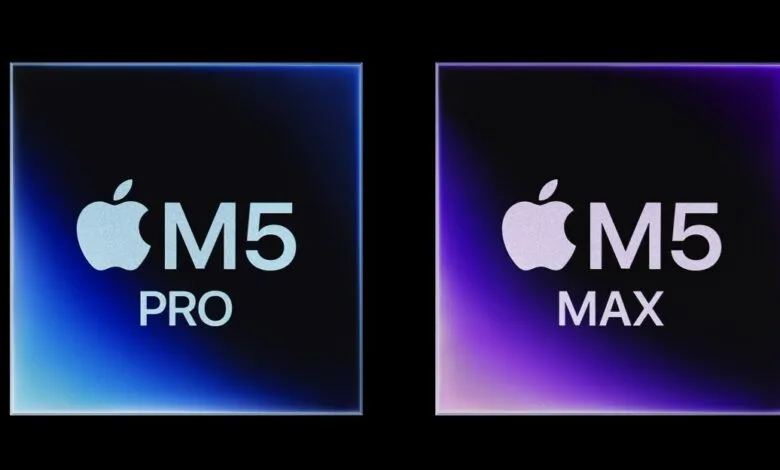
Looking ahead, Apple is doubling down on its AI hardware strategy. According to Mark Gurman’s latest Power On newsletter, the company is skipping the Pro, Max, and Ultra variants of its upcoming M6 chip. Instead, it is accelerating work on the M7, expected to launch in the first half of 2027 with major Neural Engine improvements. The M7 Ultra in particular is being developed as the basis for a new Apple server product, supporting up to 1.5TB of RAM. This shift signals that the lessons learned from the car project are now driving Apple’s most ambitious computing plans.
(Source: The Verge)