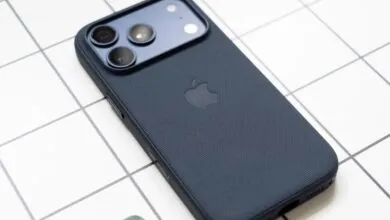
Gadget Prices Are Rising Again This Year
▼ Summary
– Consumer electronics prices are rising again due to a memory shortage, as manufacturers prioritize chips for AI data centers over other products.
– Apple, Xbox, and Sony have announced or implemented price increases, following last year’s tariffs.
– The memory shortage is expected to persist, meaning companies will continue passing costs to consumers rather than absorbing them.
– Buying refurbished or secondhand devices is recommended to avoid price hikes, as these markets are booming and offer better value.
– Used smartphones are selling for 10-20% more than in December 2025, and trade-in programs are increasingly profitable for consumers.
If you have your eye on a new laptop, tablet, or game console, delaying that purchase could prove costly. A fresh wave of price increases is sweeping across the consumer electronics industry, driven largely by an ongoing memory chip shortage that shows no signs of abating.
In June, Apple raised prices on its MacBook and iPad lineups. Microsoft’s Xbox consoles will follow suit in August. These hikes come after Sony already bumped up the cost of the PlayStation 5 Pro, and broader economic pressures like rising oil prices have inflated shipping and gas costs. While last year’s tariffs played a role, the primary culprit this time is a supply crunch: chip manufacturers are prioritizing production for AI data centers over components for consumer gadgets. This isn’t a short-term blip. Companies that might have once absorbed such costs are now passing them on to customers.
“In the past, you maybe could have waited out little blips like this,” says Shawn DuBravac, chief economist at the Global Electronics Association. “I don’t think that’s the case here. Waiting is not a strategy right now and probably won’t be for the foreseeable future.”
DuBravac advises shoppers to consider refurbished gear as a way to sidestep the sting. For those who need something new, he suggests monitoring which products have already seen price increases. If an item hasn’t gone up yet, it likely will soon. And even if it has, that may be the best baseline price you’ll see for a while.
“They are very intentional in their pricing, and there’s a lot of coordination that goes along with all of that,” DuBravac says. “If you’re looking at products that have already had a price increase, you probably have a little bit of time to think about it.”
For many people, buying everything they need right now simply isn’t feasible, especially with back-to-school and holiday shopping seasons approaching. Thibaud Hug de Larauze, CEO of the secondhand marketplace Back Market, warns that inflation fears are pushing consumers into a reactive cycle. “People are worried that they’re going to have to pay a lot of money for the next device or the next purchase,” he says. “The bad thing about that is just pushing people to upgrade more rapidly because they’re scared of inflation, basically.”
One silver lining is the surge in the refurbished and secondhand electronics market. Buying used is not only more ethical and eco-friendly, but it’s also becoming a smarter financial move. Sean Cleland, vice president of Mobility tech at the recommerce company B-Stock, notes that used smartphones are now selling for 10 to 20 percent more than they did in December 2025. In a typical year, these devices would depreciate. Instead, demand for refurbished products is climbing.
“The supply chain will correct eventually,” Cleland says. “Secondary market pricing will go back to normal depreciation, but it will continue being a step above what it was in 2025. It just never comes all the way back.”
This vibrant resale market means more consumers are giving refurbished devices a chance, often out of necessity. The trend has fueled a booming industry that keeps electronics out of landfills. Manufacturers are also leaning into buyback and trade-in programs for phones, computers, tablets, watches, and headphones. Selling your old gear on third-party marketplaces could yield more cash as long as shortages persist.
“You’re going to get way more from that phone than you ever would before,” Cleland says. “Take advantage of it; there’s trade-in and resale value in all that stuff.”
(Source: Wired)