Trump secures 5% OpenAI stake for US, far below Sanders’ goal
▼ Summary
– OpenAI CEO Sam Altman is in early talks with the Trump administration about the US acquiring a 5 percent stake in the company, arguing it would share AI’s financial benefits with the public.
– Donald Trump supports the idea, and his administration has also approached Google and Meta about similar stakes, though neither firm has commented or agreed to the proposal.
– AI firms face growing public distrust, with polls showing 70 percent of Americans oppose local AI data centers and half are more concerned than excited about AI.
– Both political parties recognize that AI sentiment could impact elections, and Trump and AI firms warn that overregulation might hurt US competitiveness against China.
– OpenAI has suggested creating a US sovereign wealth fund, modeled on Alaska’s Permanent Fund, to invest AI profits and pay dividends to citizens, aiming to counter anti-AI sentiment.
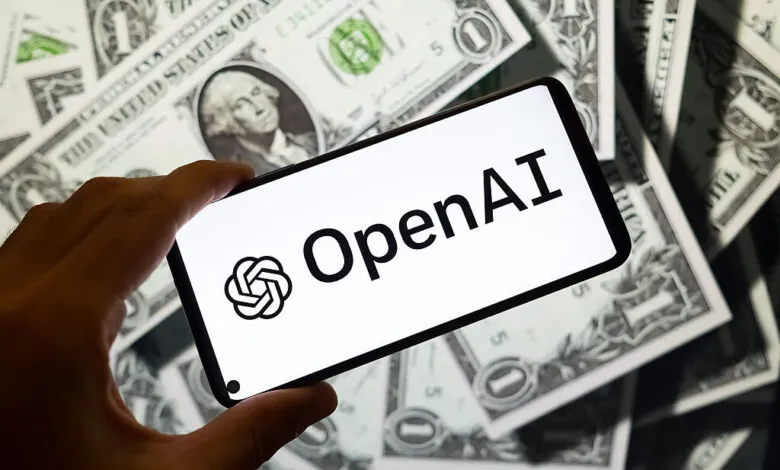
OpenAI CEO Sam Altman is reportedly negotiating with the Trump administration over a potential US government stake in the AI firm, with discussions centering on a 5 percent ownership share. That figure falls far short of the ambitious nationalization goals once pushed by Senator Bernie Sanders, who argued for broader public control over transformative technologies.
According to insiders cited by the Financial Times, the talks remain in “early stages,” but Altman has been making the case that giving the American public a financial stake in OpenAI represents the most effective way to distribute the benefits of artificial intelligence. President Trump is reportedly receptive to the concept, and his administration has been reaching out to other major tech companies about similar arrangements. Sources say Google and Meta have also been approached regarding potential public stakes.
None of the firms have publicly commented on the Financial Times report, and neither Google nor Meta has signaled agreement with Altman’s proposed 5 percent figure. Notably, Meta has not even voluntarily committed to sharing its frontier AI models with government officials for safety testing, as The New York Times reported last week. Yet AI companies may be willing to make concessions if they believe doing so will secure favorable regulatory treatment down the line.
The backdrop to these negotiations is what Axios has described as an “AI hate wave” sweeping the American public. Recent polling shows that 70 percent of Americans oppose AI data centers being built in their communities, and half of the country feels more concerned than excited about AI’s rise. In June, Pew Research Center found that while chatbots and AI summaries are gaining users, public sentiment tilts negative , even among younger adults.
Both political parties recognize that AI policy could shape upcoming elections, and potentially many more to come. Earlier this week, NBC News reported that voters across the partisan divide want tighter AI regulations. Trump and AI executives have countered that excessive oversight could jeopardize America’s competitive edge in the global AI race with China.
To counter growing anti-AI sentiment and build public support, OpenAI has proposed creating a U. S. sovereign wealth fund modeled after the Alaska Permanent Fund. That fund invests the state’s oil revenue into stocks and distributes dividends to both the government and residents, offering a potential blueprint for sharing AI’s economic upside with the American people.
(Source: Ars Technica)