US Home Battery Installations Surge to Record High Amid Rising Electricity Costs
▼ Summary
– US home battery installations hit a record 673 megawatts in Q1 2026, driven by state incentives and rising residential electricity costs.
– California and Hawaii led new battery installations, with Texas and Arizona also seeing significant increases.
– California offers better grid export pricing for solar homeowners with batteries, while Hawaii provides a $400 per kilowatt one-time payment.
– The battery surge coincided with a slowdown in residential solar panel installations after the federal solar tax credit was eliminated.
– Homeowners can use smart battery systems to store energy when prices are low and drain it during peak demand to save on costs.
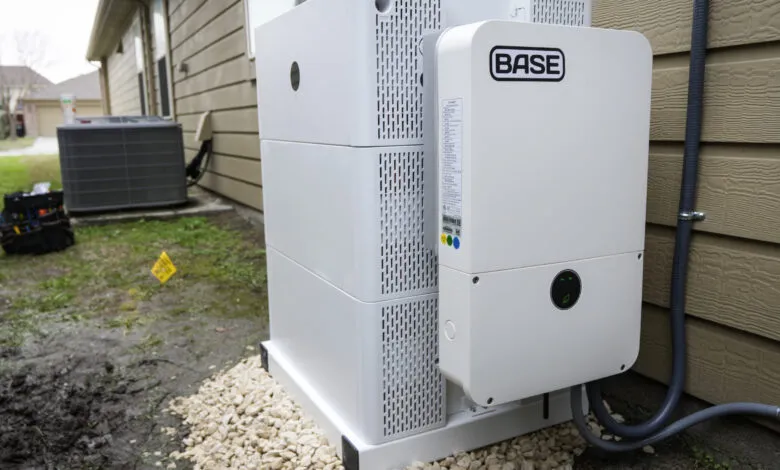
US homeowners are installing home batteries at an unprecedented pace in early 2026, driven by state-level incentives and a sharp rise in residential electricity costs. This surge not only helps households manage their energy bills but also opens the door for a more flexible power supply that could benefit grid operators and even AI data centers.
According to the US Energy Information Administration, new residential battery installations hit a record 673 megawatts of energy storage in the first quarter of 2026. Bloomberg News reports that this growth is concentrated in states with high electricity prices, where policymakers have enacted programs to encourage homeowners to adopt battery storage.
The trend follows a logical path for states that have already pushed rooftop solar adoption. Batteries allow homeowners to store solar energy generated during the day for use at night. California and Hawaii led the country in new residential battery capacity, while Texas and Arizona also posted significant gains.
California’s approach rewards homeowners who combine solar panels with batteries by offering better rates for electricity exported to the grid after sunset. Hawaii, meanwhile, provides a one-time payment of $400 per kilowatt of installed battery storage.
Yet this battery boom comes amid a slowdown in new residential solar panel installations. The Trump administration and Republican-backed One Big Beautiful Bill eliminated the 30 percent federal solar tax credit for homeowners, cooling demand for new rooftop systems. Still, overall US solar generation continues to climb and actually surpassed coal-fired electricity output in April.
Rising electricity costs are another powerful motivator. The Energy Information Administration reports that the national average residential electricity price jumped more than 7 percent in April 2026 compared to the same month a year earlier. Homeowners with smart battery-management systems can now store power when rates are low and draw from their batteries during peak demand periods, effectively hedging against volatile pricing.
(Source: Ars Technica)