Chrome Auto-Browse Interacts With Your Site, Apple’s Siri AI Just Reads It
▼ Summary
– Apple and Google both released phone agents this month.
– Google’s agent can visit and act on a website, while Apple’s Siri AI only reads content.
– Website owners need to adapt to the different capabilities of these new phone agents.
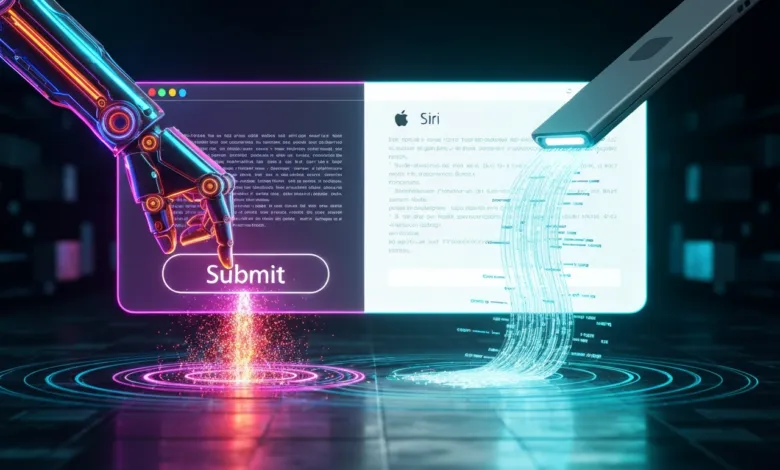
Website owners, take note: both Apple and Google introduced phone-based AI agents this month, but the difference between them is critical for your SEO and site performance. Google’s Chrome Auto-Browse actively interacts with your website, clicking buttons, filling forms, and navigating pages. Apple’s Siri AI, by contrast, only reads your content. That distinction fundamentally changes how you should prepare your site.
With Chrome Auto-Browse, the AI doesn’t just scan your text. It behaves like a real user, executing actions such as submitting queries, adding items to a cart, or following multi-step processes. This means your site must be not only readable but also functional for automated agents. Broken links, slow load times, or complex JavaScript can derail these interactions and hurt your visibility.
Apple’s Siri AI, meanwhile, focuses on data extraction. It reads and interprets your page content to answer user questions or provide summaries. For this, clear, structured data and concise, well-organized text are paramount. If Siri can’t easily parse your information, you lose the chance to appear in Apple’s AI-driven responses.
The key takeaway? You now need a dual strategy. Optimize for actionable AI agents like Google’s by ensuring your site’s interactive elements work flawlessly. Simultaneously, prepare for reading-focused AI like Apple’s by refining your content’s clarity and schema markup. Ignoring either could leave your site behind as these agents reshape how users find and engage with your brand.
(Source: Search Engine Journal)