Realta Fusion generates electricity directly from a fusion reaction in apparent first
▼ Summary
– Realta Fusion successfully powered a lightbulb using electricity harvested directly from its WHAM demonstration fusion device, claiming to be the first private company to publicly demonstrate this feat.
– Direct energy conversion from fusion reactions is estimated to be about 90% efficient, compared to steam turbines in fission reactors which are about 33% efficient.
– The startup plans to use the harvested electricity to heat the plasma in its reactor, enabling recirculation of power and improving overall plant efficiency.
– About 20% of energy from deuterium-tritium fusion reactions comes from charged helium nuclei, which Realta captured to generate multiple amps at 100 volts.
– Furlong estimates that this circularity could boost a commercial power plant’s total output by 20% to 30%, helping fusion reactors achieve profitability.
For fusion startups, the biggest challenge has shifted from proving a reaction is possible to proving it can be profitable. Since the landmark 2022 experiment confirmed that controlled nuclear fusion can generate more energy than it consumes, the race has been on to build reactors that actually produce usable electricity at scale. One straightforward path is cranking up the heat to drive bigger steam turbines, but another, more efficient method involves capturing electricity directly from the fusion reactions themselves.
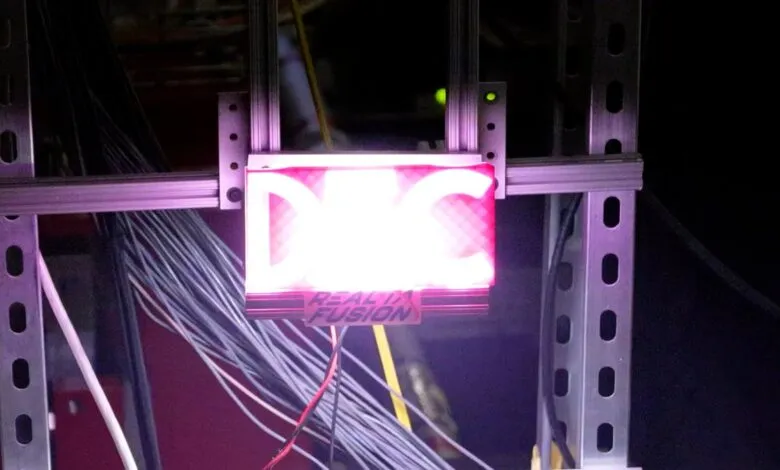
On June 19, Realta Fusion achieved what it believes is a first for a private company: it successfully powered a lightbulb using electricity harvested directly from its demonstration device, WHAM. The Wisconsin-based startup ran an experiment that tapped into the plasma’s energy and turned it into usable current, marking a tangible step toward commercial viability.
“We can take power from a plasma,” said Kieran Furlong, co-founder and CEO of Realta Fusion, in an interview with TechCrunch. He described the milestone as a demonstration of “what’s possible” for the technology.
Realta plans to use this direct electricity conversion to heat the plasma inside its reactor, a process that normally consumes enormous amounts of energy. Furlong estimates the direct conversion method is about 90% efficient, meaning it can turn 90% of the potential energy into electricity. That stands in stark contrast to the 33% efficiency of steam turbines used in today’s fission reactors. The higher the efficiency, the faster the company can reach profitability.
Every power plant must use some of its own output to keep running, and fusion reactors are no different. The central challenge for fusion startups is building a reactor that produces significantly more energy than it consumes. Direct energy conversion offers a major efficiency boost that makes that goal more attainable.
About 20% of the energy from the deuterium-tritium fusion reactions Realta plans to use is carried by charged helium nuclei called alpha particles. The startup built a prototype electricity converter and attached it to the end of its WHAM reactor. In the experiment, it harvested enough “alpha power” to generate multiple amps of electricity at 100 volts, enough to light a few bulbs.
The WHAM device is designed to demonstrate the magnetic mirror approach to fusion. In a commercial-scale power plant, Furlong explained, the direct energy converters should provide enough electricity to heat the plasma. “You’re basically able to recirculate the electricity,” he said.
That circularity could boost a commercial plant’s total output by 20% to 30%, according to Furlong. “Spinning a flywheel of electricity, if you like, is very beneficial,” he added.
Realta may be the first to publicly demonstrate direct energy conversion, but it is not the only startup pursuing the technology. Helion, backed by Sam Altman, also relies on direct conversion as a core part of its reactor design, though it has yet to demonstrate the approach publicly.
Harvesting electricity directly from the fusion reaction “really helps with the economics” of a reactor’s design, Furlong said.
Realta previously raised $36 million in a Series A round led by Future Ventures in 2025. Furlong confirmed the company is currently in the process of raising a new round of funding.
(Source: TechCrunch)