Analysts Debate: Will PS6 and Xbox Helix Cost Over $1000?
▼ Summary
– Valve’s Steam Machine will cost $1,049 for a 500GB model and $1,349 for a 2TB model, with the company citing high component costs.
– Analysts warn the PlayStation 6 and Xbox Project Helix will likely have higher launch prices than any previous Sony or Microsoft console due to rising component costs.
– Joost van Dreunen predicts next-gen consoles will cost over $1,000, with memory and storage costs potentially five times higher by 2027.
– Mat Piscatella and Manu Rosier suggest base models may stay under $999 for psychological reasons, though premium tiers could exceed that.
– Piers Harding-Rolls believes Sony and Microsoft may keep costs under $1,000 due to better supply chain relationships and scale compared to Valve.
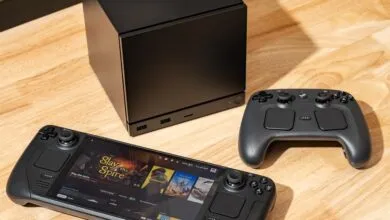
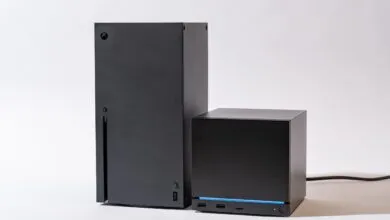
Following Valve’s recent announcement of the Steam Machine pricing,$1,049 for the 500GB model and $1,349 for the 2TB version,industry analysts are now weighing in on what this could mean for the next generation of consoles. Valve admitted the cost is “significantly more” than intended, attributing it to component prices secured over the past six months.
This trend of rising hardware expenses has already pushed Sony, Microsoft, and Nintendo to increase prices on current systems. Many analysts now believe the PlayStation 6 and Xbox Project Helix will launch at the highest price points ever seen for a Sony or Microsoft console. The central debate, however, is whether either company will cross the $1,000 threshold.
Joost van Dreunen, CEO of Aldora, told GamesIndustry.biz that he sees a four-figure price as inevitable. “At this rate, the next generation may not even release until 2028, and when it does, north of a grand is the floor,” he said. He pointed to memory manufacturers like Samsung, SK Hynix, and Micron entering a “post-consumer” phase, where gamers are less of a priority and prices climb. “Earlier this month, Xbox CEO Asha Sharma conceded that its upcoming console is going to need a new business model and hardware partners just to ship, and that storage and memory will cost five times more by holiday 2027 than they did in 2024.”
Mat Piscatella, senior director at Circana, is less certain about a $1,000 price tag but is not dismissing it. “It will possibly (even likely) happen anyways,” he explained. “Given the chaos in the world of components (and lots of other things, for that matter) the future here is beyond cloudy.”
Newzoo’s market intelligence director, Manu Rosier, offered a nuanced view. He believes premium versions may exceed $1,000, but base models will likely stay under $999 due to the psychological impact of a four-digit price. “The PS5 Pro is already at $899 after two hikes inside a year, so the distance to $1,000 is short,” Rosier noted. “Base next-generation models are likely to hold under $999 for psychological and marketing reasons. Premium tiers are a separate question. Component costs sit outside the manufacturers’ control, and there is no sign of an AI-driven cooldown in memory and storage demand.”
Piers Harding-Rolls, head of games research at Ampere Analysis, offered a more optimistic perspective. He argued that Sony and Microsoft have stronger relationships with component suppliers than Valve, which must turn a profit on every Steam Machine sold. “Next-gen consoles will likely be more expensive, but they have different levers that can be pulled to offset hardware costs, which can support cheaper pricing,” Harding-Rolls said. “Sony has more scale than Valve and is better positioned in terms of supply chain accessibility through its entrenched relationships and broader electronics business. Console companies will be hoping that they can take advantage of improving component inventories and more stable pricing as it gets closer to the launch of next-gen consoles. Market disruption and other factors means this is most likely to be at the end of 2028.”
(Source: Video Games Chronicle)