Electric Air Taxis Grounded by Legal Battles
▼ Summary
– Joby Aviation and Archer Aviation have filed multiple lawsuits against each other and other rivals, including accusations of corporate espionage, patent infringement, and fraud.
– The legal battles are occurring as the air taxi industry faces declining stock values, delayed certification deadlines, and shrinking budgets.
– Archer accused Joby of misclassifying Chinese aircraft parts as consumer goods, leading to an International Trade Commission investigation that could delay Joby’s 2028 launch plans.
– Neither Joby nor Archer has completed FAA type certification, though Joby is further along, having passed all four stages, while Archer has completed three.
– Investors have responded negatively, with Joby’s stock dropping nearly 35% and Archer’s falling 33% since the start of the year.
The electric air taxi industry, once hailed as the future of urban transportation, is currently grounded by a storm of legal disputes. Two of the most prominent U.S. players, Joby Aviation and Archer Aviation, are locked in a series of courtroom battles that threaten to delay the very technology they promise to deliver. These conflicts, ranging from accusations of corporate espionage to patent infringement, are unfolding as the sector struggles to maintain investor confidence and secure regulatory approval.
The rivalry began last year when Joby sued Archer, alleging that a former employee stole proprietary technical data and stakeholder communications to benefit his new employer. Archer responded aggressively, countersuing in March of this year by accusing Joby of defrauding the U. S. government. Archer claimed Joby misclassified aircraft components imported from China as consumer goods like “hair clips” and “socks” to evade tariffs. This countermove paid off quickly: the International Trade Commission launched an investigation into Joby’s ties to China, potentially delaying its planned 2028 air taxi launch.
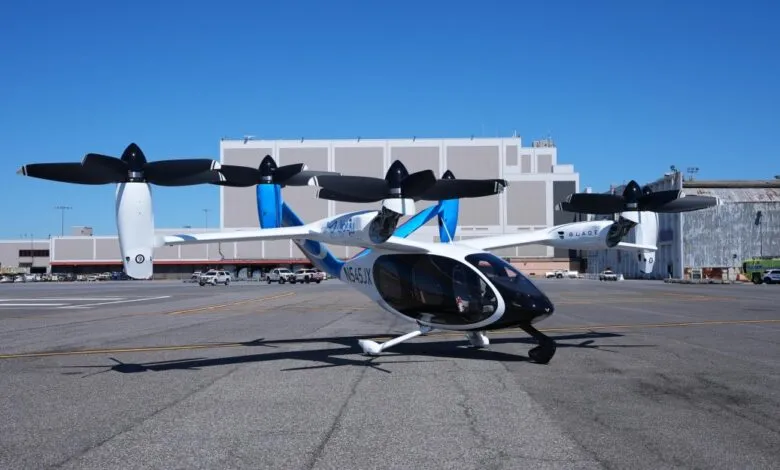
Archer didn’t stop there. In February, it filed a patent infringement suit against UK-based Vertical Aerospace, accusing it of copying its “Midnight” eVTOL design for the “Valo” aircraft. Both vehicles share similar specs,four passenger seats, electric motors, tilt-rotor propellers, a 150-mph cruising speed, and a 100-mile range. Archer’s chief strategy officer, Eric Lentell, stated, “It’s obvious that Vertical’s Valo aircraft mimics many of Midnight’s most distinctive design features.” Vertical Aerospace dismissed the claims as “without merit” and a “distraction.”
These legal skirmishes are happening less than two years after Archer supposedly settled a dispute with Boeing-backed Wisk Aero over alleged trade secret theft. That case was reopened when Wisk sought court enforcement of the settlement terms. Such aggressive litigation is becoming a hallmark of an industry racing to dominate a potentially multibillion-dollar market, but it’s also raising red flags for investors. Air taxi stocks have lost significant value: Joby’s shares dropped nearly 35% since the start of the year, while Archer’s fell about 33%. Budgets are shrinking as certification deadlines slip, and the enormous legal costs only add to the uncertainty.
No company has yet completed the FAA’s rigorous type certification required to fly passengers commercially. Joby is considered the front-runner, having passed all four stages of the process and producing roughly one aircraft per month. In April, it demonstrated a flight from JFK Airport to Lower Manhattan, previewing future routes. The company plans to launch its first passenger service in Dubai later this year, where certification is less strict. Archer, meanwhile, is still on a pre-production model and has completed three of four certification stages, targeting the 2028 Los Angeles Olympics for its debut.
The talent pool in this niche industry is small, making trade secret disputes almost inevitable. Regulatory compliance has also become a weapon, as companies use certification delays to attack rivals. But these lawsuits send a clear message to investors, regulators, and future passengers: buckle up, because there’s turbulence ahead. As one engineering professor told The New York Times, “It’s not going to be like we look out our window and there’s flying cars everywhere.” For now, the path to commercial air taxis remains mired in legal gridlock.
(Source: The Verge)