Why Overhyping Your Brand May Help Competitors Win in AI Search
▼ Summary
– Citations and recommendations are not the same in AI search results.
– New data shows Google may cite your listicle but recommend a competitor instead.
– The article warns that calling yourself “the best” could inadvertently help competitors win in AI search.
– The post originally appeared on Search Engine Journal.
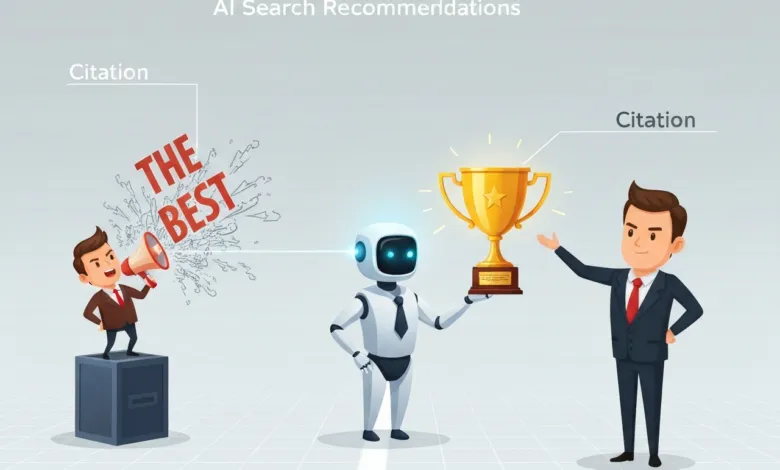
There is a meaningful difference between being cited and being recommended, and new research reveals that brands boasting about being the best may be inadvertently helping their rivals in AI-powered search results. Google frequently references a company’s own listicles or self-congratulatory content, only to direct users toward a competitor as the actual suggested choice.
This dynamic stems from how AI search models interpret authority and relevance. When a brand repeatedly calls itself the best or uses exaggerated claims, the algorithm may treat that content as promotional noise rather than objective expertise. As a result, the AI cites the brand for general information but recommends a more trusted, third-party-validated competitor for the final answer.
For marketers, the takeaway is clear: overhyping your brand can backfire in an era where AI search prioritizes genuine authority over self-promotion. Instead of leading with superlatives, focus on earning credible citations and unbiased recommendations through consistent, value-driven content and external validation.
The data underscores a strategic shift. Winning in AI search isn’t about shouting the loudest. It’s about building a reputation that the algorithm trusts enough to recommend, not just mention.
(Source: Search Engine Journal)