Yelp AI Assistant Simplifies Local Search and Bookings
▼ Summary
– Yelp has launched a conversational “Yelp Assistant” that can answer queries, recommend businesses, and complete actions like bookings within the app.
– The assistant uses Yelp’s reviews and photos to provide tailored recommendations and allows users to refine results through conversation.
– Yelp is expanding integrations with platforms like Vagaro and DoorDash to streamline bookings and deliveries across various service categories.
– An upgraded “Menu Vision” feature uses AI to overlay dish information and reviews in real time when a user scans a physical menu.
– This update represents a strategic shift for Yelp from a discovery platform to a transaction-driven experience that controls the user journey from search to purchase.
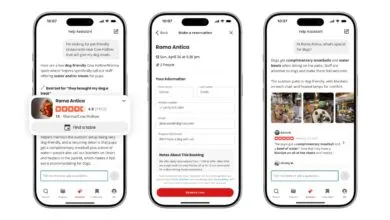
Yelp has introduced a major new feature that fundamentally changes how users interact with its platform. The launch of the conversational Yelp Assistant marks a strategic shift from a passive search tool to an active, AI-powered concierge. This chatbot is designed to handle complex requests, provide personalized business recommendations, and complete transactions like restaurant reservations or service appointments without ever leaving the Yelp app.
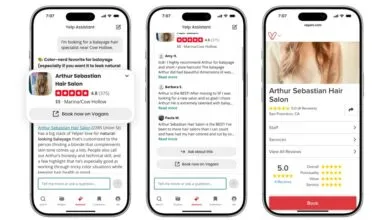
At its core, the assistant leverages Yelp’s extensive database of user reviews and photos to generate tailored suggestions. It can explain why a particular business is a good fit for a user’s query and allow for conversational refinements to the search results. The key innovation is its ability to then take the next logical step, seamlessly moving from recommendation to action. A user can ask for a dinner spot, receive options, and then book a table through the same continuous chat interface.
To support this transactional focus, Yelp is expanding its backend integrations with major booking platforms. New partnerships with services like Vagaro, Zocdoc, and Calendly will streamline appointments for beauty, healthcare, and home services directly within Yelp. The company is also deepening its delivery integration with DoorDash to facilitate food orders. Another enhanced feature is Menu Vision, which uses AI and augmented reality. By pointing a phone camera at a restaurant menu, users can see visual overlays of dishes alongside photos and relevant reviews to make quicker ordering decisions.
This suite of updates represents a clear business evolution. Yelp is aggressively moving from being a discovery platform to controlling a transaction-driven experience. For local businesses, this means that simply having a visible profile may no longer be sufficient. To capture value from this new model, listings will need to be optimized for conversion, ensuring they are bookable and compelling within Yelp’s integrated ecosystem. The platform is effectively competing for high-intent users by keeping them from clicking away to other sites, capturing the entire journey from search to purchase.
The underlying strategy is clear: Yelp is deploying AI not merely to improve search results but to directly facilitate and capture transactions. The goal is to turn user intent into completed bookings and orders, thereby increasing the platform’s utility and revenue potential. The Yelp Assistant is currently available on iOS and Android mobile apps, with plans for a broader rollout across more service categories and a desktop version expected later this year. Ultimately, Yelp aims to own the complete local consumer journey, answering the question “where should I go?” and following through to “your reservation is confirmed.”
(Source: Search Engine Land)