Glen Schofield: Creativity Can Fix AAA Gaming Issues
▼ Summary
– Industry veteran Glen Schofield defends AAA games, arguing they historically drive new hardware adoption and that their development teams are unfairly criticized.
– He identifies the influx of investment during the COVID-19 pandemic as a root cause of current industry problems, leading to inexperienced people being placed in key roles.
– Schofield’s proposed solution is better hiring practices to ensure truly creative people and skilled managers are in the correct, separate positions.
– He is skeptical that AI will drastically reduce team sizes for AAA games, viewing it more as a creative tool that will increase content demands rather than replace nuanced human work.
– He criticizes poor release timing, where too many AAA games cluster in the same window like Christmas, and suggests spreading releases out to improve success rates.
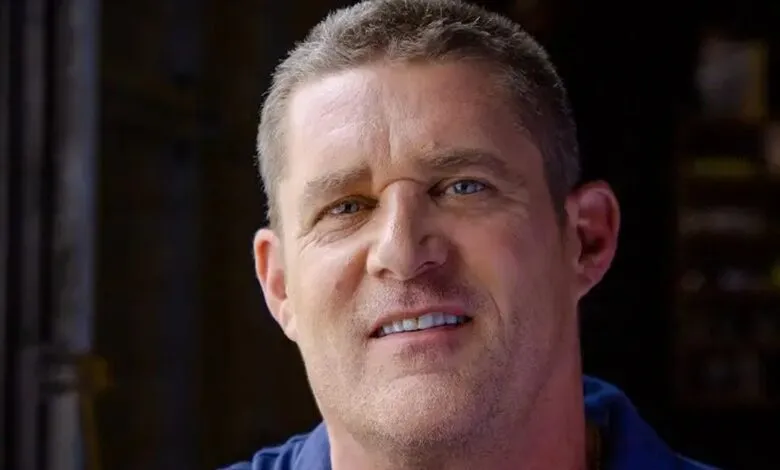
The persistent wave of layoffs across the gaming industry continues into 2026, fueling a common narrative that the AAA development model is fundamentally broken. While many commentators advocate for a shift toward smaller-scale projects, veteran developer Glen Schofield offers a different perspective. He argues the problem isn’t the scale of these blockbuster games, but how the industry has managed its talent and resources in recent years.
Schofield, whose career includes creating the iconic Dead Space and co-directing Call of Duty: Modern Warfare 3, rejects the notion that AAA is obsolete. He notes that major franchises have historically driven hardware adoption, with teams pioneering new consoles without a roadmap. The current challenges, he suggests, stem from a period of unsustainable growth. “During COVID, we couldn’t make AAA games fast enough. Billions of dollars poured into the industry,” Schofield explains. “When you have that much money coming in, you inevitably give it to the wrong people.” He clarifies that by “wrong” he often means inexperienced professionals promoted into roles they weren’t prepared for, rather than inherently bad hires.
His proposed solution centers on strategic talent placement. The industry must stop placing creative individuals into pure management roles, and vice versa. Schofield points to film studios, which typically entrust major franchises to directors with proven track records. “The due diligence by the people who are investing is terrible,” he states, referencing high-profile cases like Bungie. “All you have to do is find who the true creative person is, as opposed to the person who just says they’re creative.” He emphasizes building studios with clear divisions, allowing creative leaders to focus on vision while operational experts handle business logistics.
Regarding team size, Schofield is skeptical of calls for drastic downsizing, citing the inherent complexity of AAA production. When working on Call of Duty, his team required hundreds of specialists to treat distinct game modes as full products. This scale is necessary to leverage the latest graphics and hardware technology, which these titles are expected to showcase. The push for new tech now prominently includes AI, but Schofield doubts it will radically reduce headcount. He describes the nuanced, pixel-level adjustments that define his craft, something he believes current AI cannot replicate.
However, he is not opposed to the technology. Schofield has used tools like Midjourney for years and urges artists to engage with AI rather than reject it. “I wish artists would take notice that this is a great time to learn some form of AI,” he says, comparing current resistance to past skepticism about motion capture. His primary concern is the industry’s focus on AI purely for cost-cutting, neglecting its potential as a creative accelerator. These tools could allow developers to build more content, not simply finish faster. Yet he warns that accessing these capabilities will be costly, likely involving expensive subscriptions or engine integrations, requiring studios to hire pricey AI specialists.
Another critical factor for success is strategic release timing. Schofield observes that the influx of pandemic-era investment has led to a congested holiday release window, creating a “blast radius” effect where titles cannibalize each other. The industry’s collective avoidance of the Grand Theft Auto VI launch window is a prime example. “You just can’t ship that many games at the same time,” he argues, advocating for a more spaced-out calendar utilizing periods like early October or summer to give more games a fighting chance.
Ultimately, Schofield believes a return to core creative principles is vital. Creating a hit requires an almost perfect alignment of elements: a compelling story, a passionate crew blending veterans and new talent, stellar marketing, supportive leadership, and unwavering publisher trust. “You have to get everything right, and I mean everything,” he concludes. For him, the future of AAA isn’t about abandoning the model, but about refining its execution by empowering the right people with the right tools at the right time.
(Source: GamesIndustry.biz)