AI Could Enable 50 Films for Price of One Blockbuster
▼ Summary
– Runway CEO Cristóbal Valenzuela suggested studios should use a $100 million film budget to produce 50 AI-assisted movies instead of one, framing success as a numbers game.
– He acknowledged controversy but argued early AI skepticism stemmed from fear and that the technology is now understood and rapidly changing.
– Runway’s AI tools are already being used by studios to reduce costs across pre-production, scripting, visual effects, and execution.
– An example is the upcoming film “Bitcoin: Killing Satoshi,” where AI reportedly cut production costs from an estimated $300 million to $70 million.
– Valenzuela believes AI can address a “crisis of creativity” by allowing more people to tell stories, potentially leading to more and better content.
The economics of Hollywood filmmaking are facing a radical proposition. Cristóbal Valenzuela, CEO of the AI video-generation startup Runway, suggests a fundamental shift in how studios allocate their budgets. Instead of investing $100 million in a single blockbuster, he argues that same sum could fund 50 films of comparable visual quality. This model transforms the industry from a high-stakes gamble on singular artistic visions into a volume-driven numbers game, dramatically increasing the odds of producing a commercial hit.
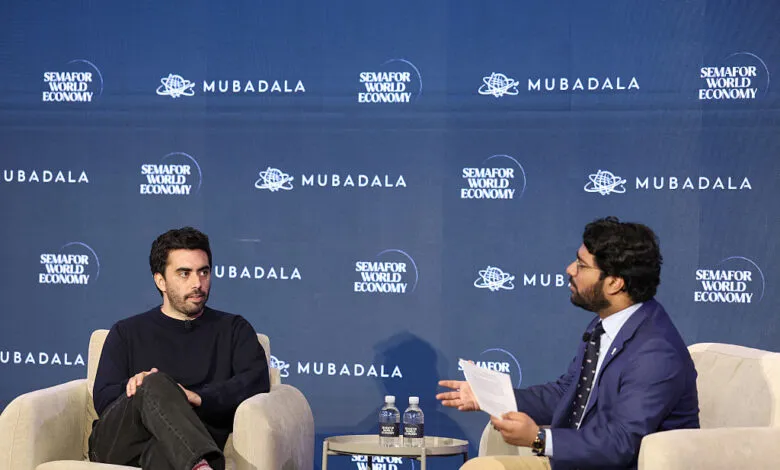
Valenzuela presented this view at a recent summit, acknowledging the controversy surrounding AI in creative markets. He contends that initial skepticism stemmed from fear, but that understanding has evolved as the capabilities of powerful AI tools become clear. His company’s mission is to enable creators to do “more work better and faster,” a process he says is already underway. Runway’s AI world models are reportedly in use by numerous studios and creators, actively driving down production costs across the board.
Evidence of this shift is emerging. The upcoming film “Bitcoin: Killing Satoshi” reportedly used AI to slash its budget from an estimated $300 million to $70 million, positioning it as the first studio-quality AI feature film. Major players like Amazon and Sony Pictures are exploring similar cost-cutting applications, and even director James Cameron has endorsed AI as a tool to sustain large-scale productions without reducing workforces. Valenzuela emphasizes that cost reductions are pervasive, affecting pre-production, scripting, planning, and visual effects at an increasing scale.
This push toward volume addresses what Valenzuela calls a “crisis of creativity” driven by current economic incentives. He draws a parallel to the publishing industry, suggesting that an explosion in the number of stories told, even if most are not widely consumed, ultimately enriches culture. His vision is to flood the market with content, betting that greater volume will yield more breakthroughs. Critics, however, challenge the core assumption that scaling creativity with AI inherently produces more great art, disputing the tech industry’s faith in algorithmic abundance.
Despite the debate, Valenzuela remains optimistic about AI’s democratizing force. He believes the best movies are yet to be made because billions of potential storytellers have historically lacked access to production technology. By lowering the financial and technical barriers, AI could unlock a wave of new voices and narratives, fundamentally altering not just how films are financed, but who gets to make them.
(Source: TechCrunch)