Telephoto Lenses Deserve More Phone Camera Space
▼ Summary
– The Vivo X300 Ultra is a high-end camera phone with a 200MP main sensor and separate telephoto extender lenses that mount to the phone.
– The author initially dismissed the extender lenses as a gimmick but found them surprisingly fun and effective for creative photography.
– Using the 200mm extender lens allowed for unique compositional shots with optical zoom that digital zoom cannot replicate.
– The setup was discreet enough to use at an event with rules against professional cameras, avoiding security attention.
– The experience converted the author into wanting similar lens attachments available for major phone brands sold in the US.
The idea of attaching a physical telephoto lens to a smartphone initially seems like a novelty, something designed more for headlines than for serious photography. Yet, after a weekend spent with the Vivo X300 Ultra and its accessory kit, that skepticism completely vanished. This setup transforms mobile photography, offering a level of creative control and optical quality that standard smartphone cameras simply cannot match. The experience was so compelling it challenges the entire industry to reconsider how we approach camera hardware.
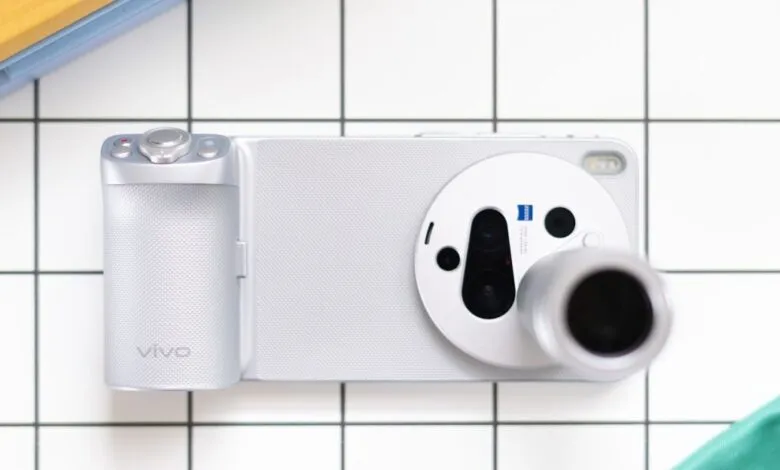
Available currently only in China, the Vivo X300 Ultra is already a powerhouse. Its rear array includes a 200-megapixel main sensor, a 200-megapixel 3.7x telephoto camera, and a 50-megapixel ultrawide. The real magic, however, comes from the optional telephoto extender lenses. This year’s kit features a more compact 2.35x adapter, creating a combined 200mm equivalent focal length, and introduces a new 400mm option. These lenses mount via a special plate directly over the phone’s built-in telephoto camera. While the full kit, which also includes a pro camera grip with a physical shutter button, is not exactly subtle, the results are undeniably impressive.
Embracing the full experience meant going all in. For a day at a spring fair, the phone was equipped with the protective camera case, the pro grip, the lens adapter plate, and a crossbody strap. The initial plan was to use the 200mm extender lens sparingly, but that changed quickly. Once attached, it stayed on for hours. The immediate difference was profound. Using a genuine optical telephoto lens on a phone reintroduced concepts like managing shutter speed and crafting compositions with depth and layered elements. This is a fundamental departure from the flat, often artificial look of digital zoom. It enabled shots that would be unthinkable with any other smartphone.
Admittedly, the setup has quirks. The autofocus struggled with fast, direct movement, like a roller coaster car speeding toward the lens, a challenge for any camera. Learning the grip’s controls took a moment, as a half-press only locks exposure, while the phone’s continuous autofusion handles focus independently. Yet, once acclimated, the process became intuitive and deeply engaging. The physicality of the gear, from the satisfying click of the shutter button to the sturdy Zeiss construction of the lenses, added to the experience. Even banging against ride seats caused no harm.
The versatility truly shone at a demolition derby. Walking past a sign prohibiting “cameras with removable lenses” with the rig slung over a shoulder prompted no second glances from security, a testament to its discreet, all-in-one form factor. As the light faded, manual exposure controls became essential to capture the action. Swapping between the 200mm and 400mm extenders provided framing options, from tight portraits of determined drivers to wider crashes. While digital zoom was available, sticking to the native optical focal lengths preserved image quality. The ability to capture such detailed, compelling shots from the stands was exhilarating.
This experiment highlights a significant gap in the market. While one could rent a telephoto lens for a dedicated mirrorless camera, that brings considerable bulk, weight, and attention. The smartphone-based kit is remarkably portable. The small, light lens attachment could easily live in a purse, ready for any family outing or spontaneous photo opportunity. The transition from dismissing the concept as a gimmick to becoming a vocal advocate was swift. It raises a pressing question for global brands: why isn’t this innovation more widely available? The potential for attachable telephoto lenses to redefine mobile photography is immense, and consumers should have the option to explore it.
(Source: The Verge)