Science Corp to implant first brain sensor in human
▼ Summary
– Science Corporation has recruited top neurobiologist Dr. Murat Günel to lead the first U.S. human trials for its biohybrid brain-computer interface.
– The company’s most advanced product is the PRIMA vision restoration device, acquired in 2024 and progressing through clinical trials in Europe.
– Its core research focuses on a biohybrid sensor that uses lab-grown neurons to create a more natural bridge between electronics and the human brain.
– The first human trial will implant a sensor on the brain’s surface in patients already requiring major brain surgery, with plans to forgo FDA approval for this initial step.
– Potential long-term applications for the technology include treating conditions like Parkinson’s disease by combining electronic stimulation with biological cell transplants.
A neurotechnology startup founded by a former Neuralink president is preparing for a landmark U.S. clinical trial, recruiting a leading neurosurgeon to guide the first surgical implantation of its novel brain sensor in a human patient. Science Corporation, established by Max Hodak, has secured Dr. Murat Günel, chair of Yale Medical School’s Department of Neurosurgery, as a scientific adviser. His primary objective is to place the initial sensor for a future biohybrid brain-computer interface, a system ultimately designed to merge lab-cultured neurons with electronics, onto a patient’s cortex.
The company, which reached a $1.5 billion valuation after a $230 million funding round last month, is advancing multiple technologies. Its most mature product is the PRIMA device, aimed at restoring vision for those blinded by macular degeneration. Acquired in 2024, this system is progressing through clinical studies and could see broader availability in Europe following regulatory approval, potentially later this year. Yet Hodak’s founding ambition extends beyond treating specific diseases. He envisions creating robust communication links between brains and computers, a pursuit that could one day lead to human enhancement, including the addition of entirely new sensory capabilities.
This vision responds to a recognized limitation in the field. While companies like Neuralink have demonstrated that electronic implants can help patients with ALS or spinal injuries control digital devices through thought, the long-term viability of these systems faces hurdles. Hodak and his team concluded that traditional metal electrodes, which influence the brain with electricity, cause cumulative brain damage that degrades performance. Science’s alternative strategy seeks a more organic integration. “The idea of using natural connections through neurons and creating a biological interface between the electronics and the human brain is genius,” Dr. Günel stated.
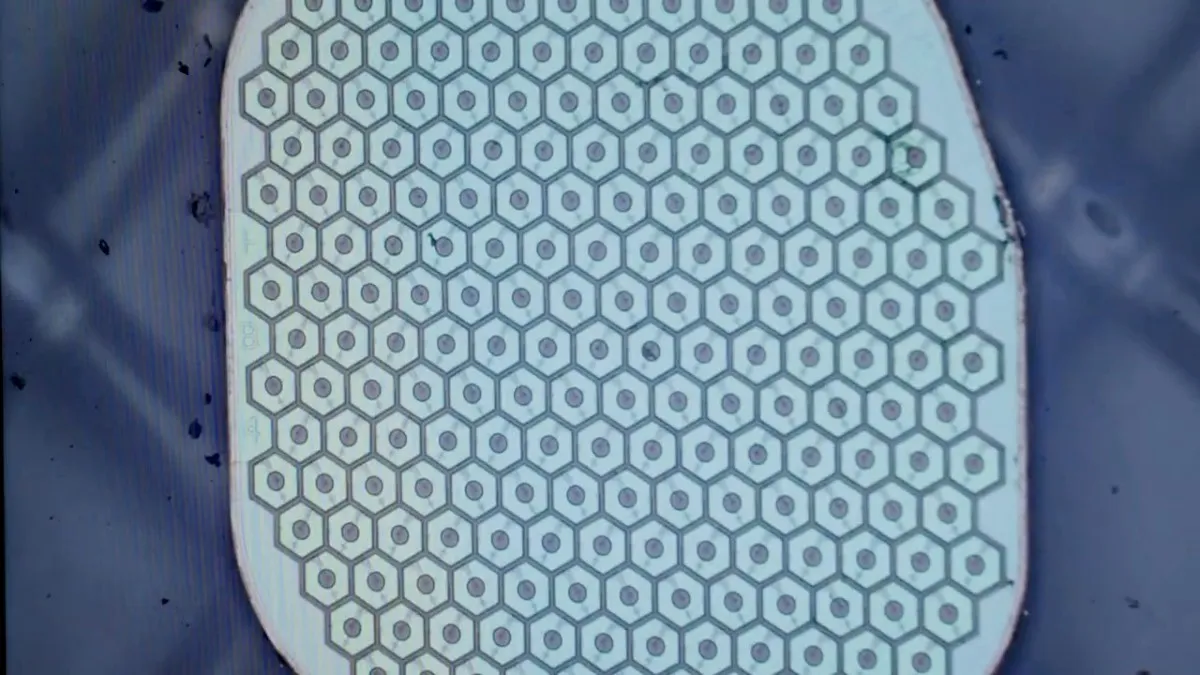
Chief Science Officer Alan Mardinly leads a team developing the core technology: a sensor embedded with lab-grown neurons. These specialized cells can be activated with light and are engineered to integrate naturally with a patient’s own neural tissue, forming a living bridge to electronics. Preclinical work, documented in a 2024 paper, showed the device could be safely implanted in mice and used to stimulate brain activity. Current internal efforts focus on refining prototypes and scaling the production of therapeutic neuron cells to medical-grade standards.
The imminent human trial represents a critical first phase. Günel is advising the team and engaging with medical ethics boards. The initial procedure will test an advanced sensor, without the embedded neurons, inside a living human brain. Notably, Science’s approach differs from Neuralink’s. Their sensor is designed to sit on the brain’s surface, inside the skull, rather than penetrating neural tissue. The company argues this distinction means the pea-sized device, packed with 520 recording electrodes, poses minimal risk, and they do not currently plan to seek FDA approval for these initial safety trials.
The team plans to identify candidates already scheduled for major neurosurgery, such as stroke patients requiring removal of a skull section to relieve swelling. During such a procedure, Günel could place the sensor on the cortex to evaluate its safety and efficacy in monitoring brain activity. Success could open doors to addressing numerous neurological conditions. Early applications might include delivering precise electrical stimulation to encourage healing in damaged brain or spinal cord tissue. The system could also monitor activity in tumor patients, providing caregivers with early warnings of impending seizures.
Looking further ahead, Günel speculates that the full biohybrid system could transform treatment for progressive disorders like Parkinson’s disease. Current options, such as deep brain stimulation or experimental cell transplants, manage symptoms but do not halt disease progression. He imagines a hybrid solution that combines both approaches. “In Parkinson’s, for example, we cannot stop the progression of the disease; in neurosurgery, all we are doing is putting an electrode to stop the tremors,” Günel explained. “Whereas if you can really put the [transplanted] cells back in the brain, protect those circuits, there’s a chance we can stop progression of the disease.”
A significant journey lies ahead before such applications are possible. When asked about timelines, Günel suggested it would be optimistic to expect these pioneering human trials to begin before 2027.
(Source: TechCrunch)