Longtime Kindle User Considers Switching to Other E-Readers
▼ Summary
– Amazon is ending support for certain older Kindle e-reader models.
– These devices will lose their ability to connect to essential Amazon services.
– The affected Kindles are still functional for basic reading without these services.
– This planned obsolescence is causing frustration and distrust among some users.
– The author states this policy has made them reconsider future Kindle purchases.
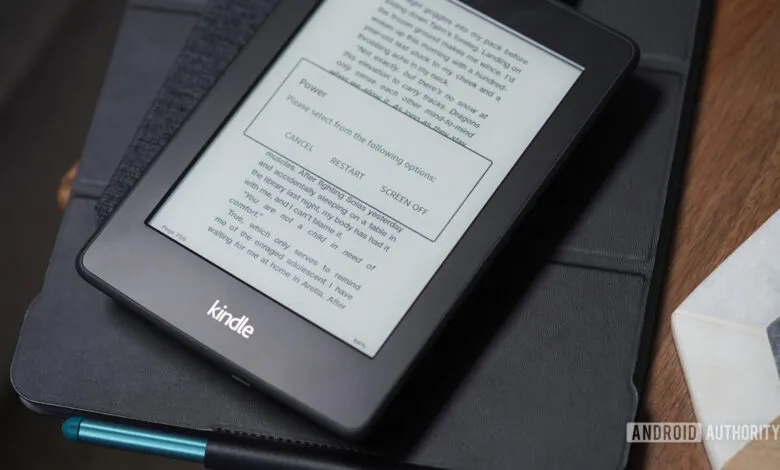
For years, my Kindle has been a trusted companion, a reliable portal to countless books. That loyalty is now being tested. Amazon has begun severing support for older, functional Kindle models, a move that effectively transforms a perfectly working device into a digital paperweight. This planned obsolescence is a significant reason why I am seriously evaluating other e-reader options for the first time.
The core issue is the loss of essential connectivity. When Amazon cuts off a device, it loses the ability to sync new purchases or access the Kindle Store directly. While sideloading content via USB remains possible, it strips away the seamless, integrated experience that defined the Kindle ecosystem. This disruption feels particularly jarring when the hardware itself, from the crisp e-ink display to the long-lasting battery, performs exactly as it did on day one.
This decision highlights a growing concern with tech ownership. We are not truly purchasing a product, but rather being granted a temporary license to use it. The company’s control over its software and services means it can unilaterally decide when a device’s useful life ends, regardless of its physical condition. This practice stands in stark contrast to the principles of sustainability and consumer rights, pushing users toward a perpetual upgrade cycle.
Consequently, my attention has shifted to competitors like Kobo and PocketBook. These platforms often offer greater format flexibility, including native support for EPUB, and emphasize user control over their digital libraries. The idea of owning an e-reader that prioritizes longevity and open standards, rather than being tethered to a single corporate ecosystem, is increasingly appealing.
Amazon’s move may achieve its short-term goal of driving new hardware sales. In the long run, however, it risks alienating dedicated customers. When a company demonstrates that your functional device can be disabled remotely, it fundamentally breaks trust. For many longtime users, this isn’t just about losing a storefront, it’s about the unsettling realization that our digital bookshelves are not as permanent as we believed. That revelation is powerful motivation to explore what else the market has to offer.
(Source: Android Authority)