Hisense UR9 Challenges OLED TVs With Strong First Effort
▼ Summary
– Hisense has released the first commercially available RGB LED TV, the UR9, which uses individual red, green, and blue LEDs for its backlight.
– The TV’s performance is a step above traditional mini-LED TVs, offering colorful and accurate HDR with great brightness.
– It is capable of displaying colors beyond the standard P3 color space for content that supports a wider color gamut.
– The reviewed 65-inch model is priced at $3,500, placing it in direct competition with high-end OLED TVs from LG and Samsung.
– This release provides the first real-world look at the viability of the new RGB LED backlight technology outside of manufacturer demonstrations.
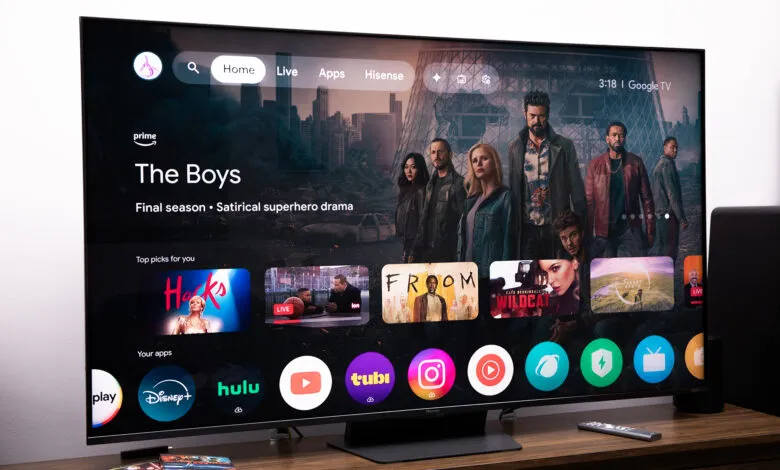
The television industry has been buzzing about RGB LED technology all year, and now the first consumer model has arrived. Hisense’s UR9 series represents the initial real-world test for this new approach to backlighting, moving beyond the controlled environments of trade show demos. This 65-inch set, priced at $3,500, uses individual red, green, and blue LEDs instead of the white LEDs common in traditional mini-LED TVs. The result is a noticeable leap in performance, delivering exceptional brightness and high dynamic range that is both colorful and accurate. The panel can even display colors beyond the standard P3 gamut, making it ideal for content mastered with a wider color space.
However, this strong first effort enters a fiercely competitive market. At this price point, the UR9 goes head-to-head with premium OLED TVs from LG and Samsung. While its HDR performance and color volume are impressive, it must convince buyers to choose this new LED technology over the established contrast and pixel-level control of OLED. Hisense has successfully proven the viability of RGB LED in a retail product, setting a high bar for other manufacturers who will follow with their own models later this year. The UR9 is a compelling, high-performance television, but its ultimate success will depend on how consumers value its specific strengths against the proven appeal of its rivals.
(Source: The Verge)