Why I Love This Black-and-White Camera
▼ Summary
– The Ricoh GR IV Monochrome is a compact, fixed-lens camera that exclusively shoots in black and white and has no zoom capability.
– The reviewer, a fan of both black-and-white photography and portable cameras, extensively tested it for over a month.
– Despite its high price and niche appeal, it is considered one of the reviewer’s all-time favorite cameras.
– The camera received a score of 8 and is praised for its excellent black-and-white image quality.
– It retains the positive features of the standard GR IV model, including a sharp lens and a very small size.
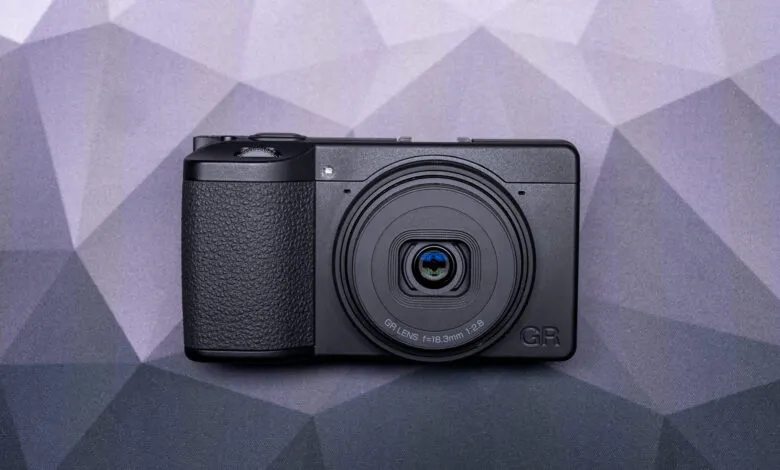
For photographers drawn to the timeless aesthetic of monochrome imagery and the practicality of a truly pocketable camera, the Ricoh GR IV Monochrome presents a compelling, if niche, proposition. This specialized device is a fixed-lens point-and-shoot that deliberately forgoes color capture and optical zoom, a design philosophy that might puzzle casual observers. Yet, after carrying it everywhere for more than a month, I’ve found this expensive, focused tool has secured a place among my most cherished photographic gear.
The appeal lies in its intentional constraints. By removing the ability to record color entirely, the camera forces a different kind of visual thinking. You compose for light, shadow, texture, and form, not for hue. This singular purpose is paired with the renowned GR series formula: a remarkably sharp lens in an incredibly compact body. The result is a device that excels at producing excellent black-and-white image quality while retaining all the portability and handling that makes the standard GR IV so popular.
It is not a camera for everyone. Its high price and lack of versatility are significant considerations. But for those who share a passion for monochrome photography and value having a powerful, dedicated tool always at hand, the GR IV Monochrome offers an almost perfect blend of limitation and capability. It transforms everyday moments into artistic expressions, proving that sometimes, having fewer choices can lead to more creative freedom.
(Source: The Verge)