Apple Cautious on iPhone Ultra Sales as Samsung Gains
▼ Summary
– Apple has significantly reduced its initial production forecast for the iPhone Ultra, lowering it from 10 million to around 3 million units.
– The company expects limited demand due to the phone’s high estimated price of $2,000-$2,400 and lessons from the Vision Pro’s market reception.
– Apple delayed its folding phone launch for years until screen durability and crease visibility issues were resolved to its standards.
– Samsung Display will be the exclusive supplier for the iPhone Ultra’s folding OLED panels, as it alone met Apple’s quality requirements.
– Samsung secured a three-year exclusivity agreement for these displays, protecting its investment in dedicated production lines.
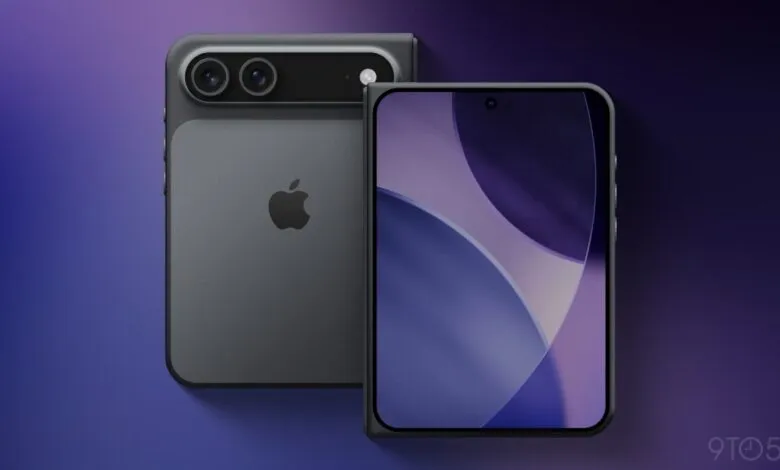
Apple is reportedly tempering its initial sales projections for its upcoming high-end folding smartphone, a device often referred to as the iPhone Fold or iPhone Ultra. The company has allegedly informed its manufacturing partners to prepare for a much lower production volume than first planned, signaling a cautious approach to the premium segment. This strategic pullback appears influenced by the market response to other high-priced Apple products, with the company anticipating that only a core group of early adopters will be willing to purchase the first-generation model, which is expected to start between $2,000 and $2,400.
Originally, internal targets suggested a launch-phase goal of roughly 10 million units. Those expectations have now been significantly revised, with partners being told to plan for output closer to 3 million devices. This adjustment reflects a key lesson from the Vision Pro launch, where Apple recognized that an exceptionally expensive new product category can have a limited initial audience.
The development of this device has been a lengthy process, taking Apple approximately eight years to enter the folding phone market. The primary hurdles were related to display technology, specifically the durability of folding screens and the visibility of the center crease. Apple insisted on resolving both issues before committing to a launch, setting a high bar for potential suppliers.
Typically, Apple diversifies its supply chain for critical components like displays, sourcing from multiple vendors including Samsung, LG, and BOE. For the iPhone Ultra’s foldable OLED panel, however, only Samsung Display was able to meet Apple’s stringent quality requirements. This singular capability has led to an unusual and significant concession from the Cupertino-based tech giant.
Leveraging its technological lead in advanced folding displays, Samsung has secured a major advantage. The company successfully negotiated an exclusive three-year agreement to supply all foldable displays for Apple’s premium smartphone. This contract guarantees Samsung Display will be the sole provider of these panels for the device’s first three years, during which Apple will not source from other display manufacturers.
This exclusive arrangement, reportedly proposed by Samsung, serves a dual purpose. It not only capitalizes on Samsung’s current market leadership but also protects the substantial investment required to establish the dedicated production lines necessary for manufacturing Apple-specific panels. The deal underscores the competitive dynamics in the cutting-edge display sector and marks a notable shift from Apple’s standard multi-sourcing strategy for a flagship product.
(Source: 9to5Mac)