NASA to decide Artemis III moon landing plans soon
▼ Summary
– NASA is nearing key decisions for the Artemis III mission, which will now be an Earth-orbit flight inserted before the lunar landing.
– The mission’s purpose is to reduce risk for the subsequent Artemis IV lunar landing mission by testing systems in orbit.
– NASA is debating whether Artemis III will operate in Low-Earth Orbit (LEO) or High-Earth Orbit (HEO), each with distinct advantages and disadvantages.
– The mission will involve the Orion spacecraft launching on the SLS rocket to rendezvous with one or both of NASA’s Human Landing Systems in Earth orbit.
– Choosing LEO could allow NASA to avoid using its remaining ICPS upper stage on this mission, saving it for Artemis IV.
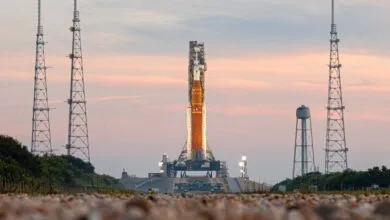
While the crew of Artemis II prepares for splashdown this Friday, NASA’s focus is already shifting to the critical decisions that will define the program’s next major step. The agency is finalizing plans for the newly designated Artemis III mission, a pivotal Earth-orbit flight intended to reduce risk before attempting a crewed lunar landing. This strategic adjustment, announced six weeks ago, pushes the first planned landing to the Artemis IV mission, aiming to ensure its success through thorough testing.
Administrator Jared Isaacman confirmed that senior-level discussions on the Artemis III mission design are now underway. A central question remains unresolved: the orbital destination for the flight. “One of the questions is what the initial orbit will be for Artemis III,” Isaacman stated. “Is it going to be LEO or HEO? There are pros and cons for each of them, for sure.” The choice between low-Earth orbit and high-Earth orbit carries significant technical and logistical implications for the mission architecture.
In a low-Earth orbit scenario, defined as between 160 and 2,000 kilometers in altitude, NASA could potentially launch the Orion spacecraft on the Space Launch System rocket without employing its Interim Cryogenic Propulsion Stage. This would preserve that valuable ICPS unit for the subsequent Artemis IV lunar landing mission. Future SLS flights are slated to use the more advanced Centaur V upper stage from United Launch Alliance.
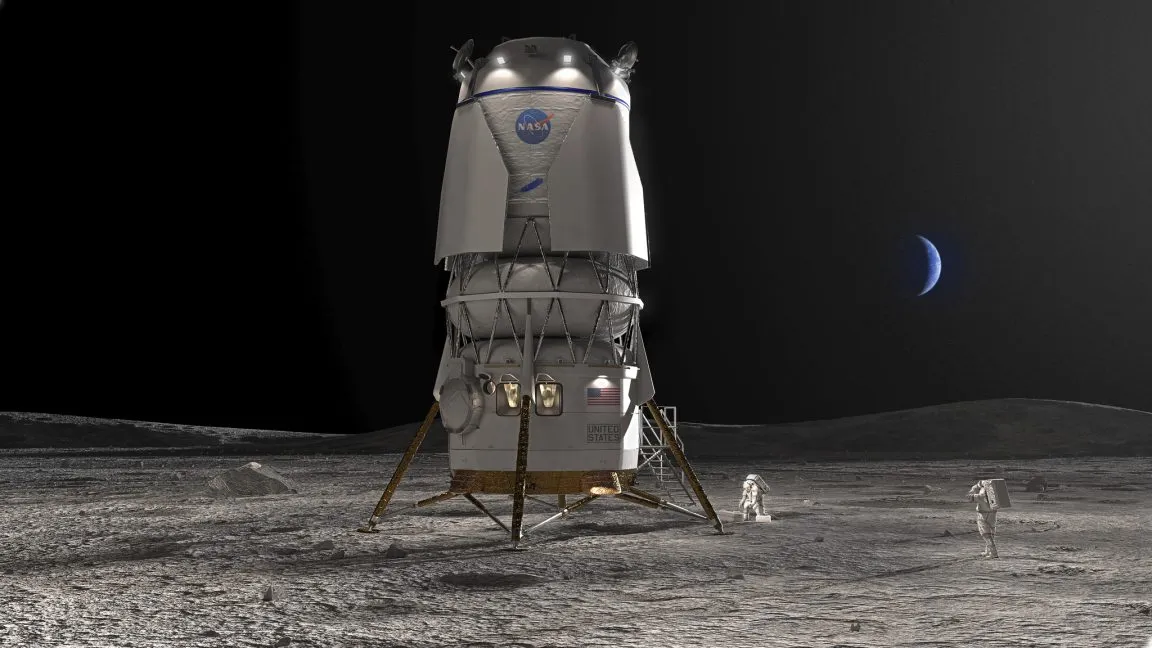
Conversely, a mission to high-Earth orbit, beyond 36,000 kilometers, would require the ICPS to propel the Orion capsule to that extreme altitude. The core objective of Artemis III remains the same regardless of orbital altitude: following launch from Florida, the Orion spacecraft with its crew of four must successfully rendezvous and dock with one or both of NASA’s Human Landing Systems. These are the SpaceX Starship vehicle and a modified Blue Moon lander from Blue Origin, which are currently in development. This crucial orbital test of systems and procedures is designed to buy down risk for the complex lunar operations that follow.
(Source: Ars Technica)