Nordic Game champions indie developers and soulful games
▼ Summary
– Nordic Game 2024’s program director describes the event as the “time of the indies,” highlighting a focus on independent creativity over major studio priorities.
– The event is seeing a 33% rise in ticket sales, partly attributed to attendance declines at other industry events like GDC.
– The conference’s content focuses on creativity, ingenuity, and the “Nordic spirit” of quality over scale, rather than on profit maximization.
– Its sponsorship has shifted from major companies to smaller businesses, which the director says grants the event more independence to focus on grassroots developers.
– While centered on the Nordic region, the event attracts a highly international audience, with only about 30% of attendees coming from Nordic countries.
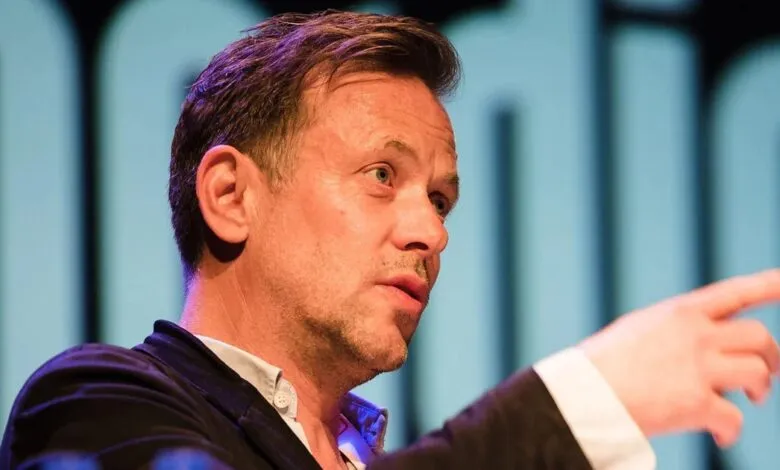
The current video game landscape is increasingly defined by independent creativity, a sentiment powerfully echoed by the upcoming Nordic Game conference. Program director Jacob Riis frames this year’s event as unequivocally the “time of the indies,” a designation that goes beyond mere numbers. While the show floor will feature over a hundred new indie titles and a record number of publisher pitch sessions, the core philosophy runs deeper. Riis observes a growing player fatigue with the strategies of major conglomerates, whose dominant live-service models often prioritize endless engagement over artistic impact. In this climate, he positions indie developers as the industry’s vital creative heart, driven more by a desire to move players than by relentless monetization.
Riis clarifies that criticizing large studios is not about dismissing their role in building the market, but rather questioning what players are left with. “A big chunk of them are playing one or two games, maybe, made by big conglomerates,” he notes, suggesting the industry has lost some of its diversity. The recent commercial success of indie titles on platforms like Steam, with four indies ranking in the top ten by units sold last year, signals a meaningful shift in player preferences. This resurgence, Riis believes, is a direct reaction to the homogenizing influence of big-budget production. “We kind of miss the old times,” he reflects, emphasizing a collective nostalgia for a more varied and soulful gaming ecosystem.
Naturally, the conference program heavily emphasizes creativity and ingenuity. However, Riis acknowledges that practical business concerns cannot be ignored. The focus, he stresses, should be on sustainable monetization that enhances gameplay rather than detracting from it. This balanced approach seems to resonate. In a year where major industry gatherings have seen declining attendance, Nordic Game reports a significant 33% increase in ticket sales compared to the same period last year, reaching a post-pandemic high.
This growth occurs despite a broader shift in the events landscape. Riis notes that large platform holders like Epic, Microsoft, and Sony, once key sponsors, now predominantly run their own showcases. This has led Nordic Game to partner with smaller businesses, a change Riis views as a strength. “I think it’s great that we are not forced to do stuff because we have this big sponsor,” he states. This independence allows the event to maintain its core mission: fostering grassroots development, supporting emerging indie talent, and strengthening educational and networking opportunities within the Nordic region.
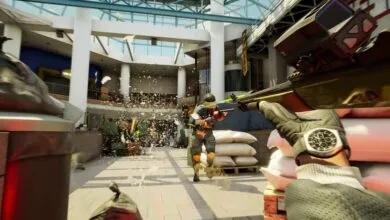
The speaker lineup deliberately highlights this Nordic development philosophy. Sessions will spotlight regional successes, not merely for their commercial gains, but for their collaborative stories and quality-focused ethos. A talk on Embark Studios’ Arc Raiders, for instance, will explore how a small team approaches AAA-scale ambition. This mirrors the achievements of other Nordic studios like MachineGames and Neon Giant, which consistently produce high-impact work with relatively compact teams. Riis points to a previous MachineGames presentation on Indiana Jones and the Great Circle as emblematic, focusing on narrative and geopolitical themes rather than financial metrics.
While proudly Nordic in spirit, the event draws a global audience. Only about 30% of attendees come from the Nordic countries, with another 30% traveling from elsewhere in Europe. The remaining visitors journey from the United States, Asia, and beyond. For this international community, Riis aims to cultivate a unique atmosphere. He describes the annual gathering as a kind of homecoming, a feeling of returning to a creative family. “Even if you’re not Nordic, you’re coming home to Nordic,” he says, capturing the event’s commitment to being a nurturing hub for the soulful core of game development in an industry often dominated by scale.
(Source: GamesIndustry.biz)