DOJ Warns Against Anthropic AI in Military Warfare Systems
▼ Summary
– The Trump administration argues in a court filing that it did not violate Anthropic’s First Amendment rights by labeling it a supply-chain risk, predicting the AI company’s lawsuit will fail.
– Anthropic is challenging the Pentagon’s sanction, which could block defense contracts and cost billions, arguing it oversteps authority and prevents its technology’s use within the Defense Department.
– The government contends its action was motivated by security concerns that Anthropic might sabotage systems if its ethical “red lines” were crossed during military operations.
– The Defense Department is working to replace Anthropic’s AI tools with alternatives from companies like Google and OpenAI, as they are currently the only AI model cleared for classified systems.
– Anthropic has until Friday to file a counter-response, and a hearing is scheduled for next Tuesday to consider its request to resume business during the litigation.
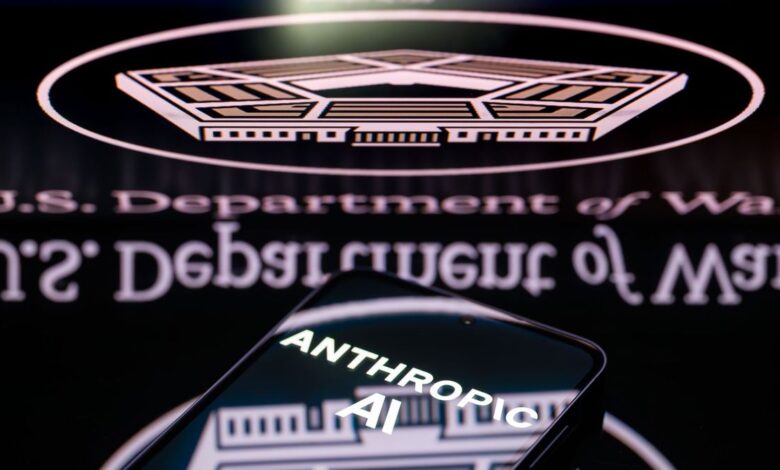
The ongoing legal dispute between the Department of Justice and Anthropic centers on the Pentagon’s authority to restrict AI technologies it deems a national security risk. In a recent court filing, government attorneys argued that labeling Anthropic a supply-chain threat was a justified precaution, not a violation of the company’s First Amendment rights. They contend the Defense Department acted reasonably due to concerns that Anthropic staff might sabotage or subvert military systems if the company’s self-imposed ethical boundaries were crossed during operations. This preemptive designation could block Anthropic from lucrative defense contracts, potentially costing the company billions in revenue.
Anthropic is challenging the sanction in federal court, asserting the government overstepped its legal authority. The AI developer argues its Claude models should not be used for widespread surveillance or to power fully autonomous weapons, positions that reportedly influenced the Pentagon’s decision. Judge Rita Lin has scheduled a hearing to consider Anthropic’s request to resume normal business dealings while the lawsuit proceeds. However, the Justice Department claims the potential for lost business does not constitute “irreparable injury” sufficient to grant such a pause.
The government’s filing reveals deeper apprehensions about integrating Anthropic’s technology into warfighting infrastructure. Officials expressed worry that AI systems are acutely vulnerable to manipulation, suggesting Anthropic could disable or alter its models during critical military operations if it believed its corporate “red lines” were being violated. This perspective frames the company not merely as a contractor with ethical reservations, but as an unpredictable entity that could introduce unacceptable risk into national security supply chains.
In response, the Pentagon is actively working to replace Anthropic’s tools with AI from other providers, including Google, OpenAI, and xAI. This transition is described as complex, noting the department “cannot simply flip a switch,” especially while Anthropic’s models remain the only AI currently cleared for use on certain classified systems during active combat operations. Notably, Anthropic has garnered support from various quarters, with several organizations and former military leaders filing court briefs in its favor, while no such public support has emerged for the government’s position.
The case underscores the tense intersection of cutting-edge technology, corporate ethics, and national security imperatives. Legal experts point out that while Anthropic may have a strong argument regarding retaliatory measures, courts frequently defer to the government on security matters. The outcome will likely set a significant precedent for how contractual relationships and risk assessments are managed between the U.S. military and leading AI developers. Anthropic is expected to file a counter-response to the government’s latest arguments, setting the stage for further judicial scrutiny.
(Source: Wired)