NASA Clears Safety Waiver for Van Allen Probe Reentry
▼ Summary
– A NASA satellite called Van Allen Probe A, which studied Earth’s radiation belts, is about to make an uncontrolled reentry into the atmosphere.
– While most of the 1,323-pound spacecraft will burn up, some debris is expected to reach Earth’s surface, a common occurrence for objects of its mass.
– This reentry is notable because its estimated 1 in 4,200 risk of causing harm exceeds the US government’s standard of 1 in 10,000 for such events.
– NASA granted a waiver for this non-compliance, citing the mission’s scientific benefits and the overall low risk after late-stage design changes increased the hazard.
– The exact reentry time is difficult to predict, but it is forecasted to occur within a three-day window starting late Monday.
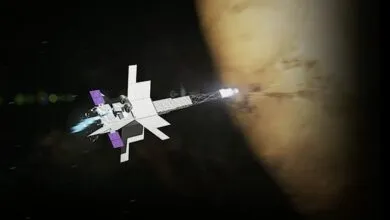
A NASA satellite that has spent over a decade studying Earth’s radiation belts is now on an uncontrolled path back into the atmosphere. While most of the spacecraft will disintegrate during reentry, some parts of the 1,323-pound satellite are expected to survive and reach the planet’s surface. This event is drawing attention because the calculated risk to people on the ground, though still low, exceeds the standard safety threshold typically permitted by U.S. government guidelines.
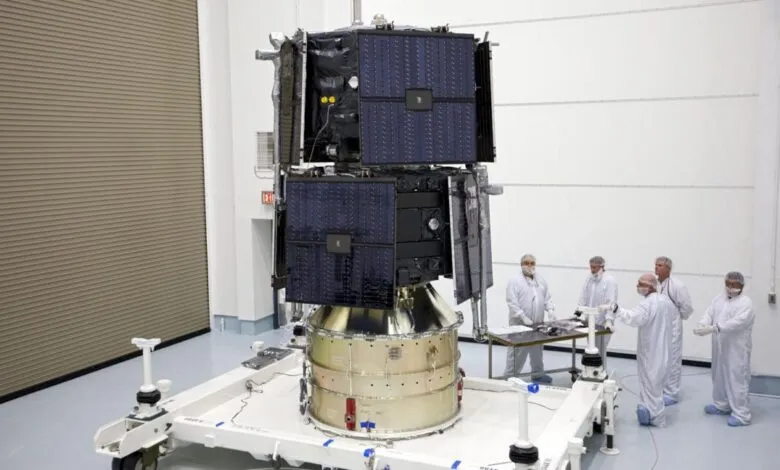
The spacecraft, known as Van Allen Probe A, was launched in 2012 alongside a twin satellite. Their mission focused on investigating the Van Allen radiation belts, which are zones of charged particles held by Earth’s magnetic field. These belts play a crucial role in shielding the planet from harmful cosmic radiation and solar storms. After a highly productive scientific run, the probe is now succumbing to atmospheric drag.
The risk of harm to anyone on Earth is estimated at about 1 in 4,200. This figure surpasses the U.S. government’s standard safety limit, which requires the chance of a casualty from an uncontrolled reentry to be less than 1 in 10,000. A NASA spokesperson explained that late-stage design changes to the mission inadvertently increased the potential reentry risk. After evaluating the mission’s significant scientific value against the low probability of public harm, the agency granted a formal waiver for this non-compliance with orbital debris standards. NASA also notified the U.S. Department of State about this exception, following established national policy.
Predicting the exact time and location of a satellite reentry is notoriously challenging due to fluctuations in the density of the upper atmosphere. The latest tracking data from the U.S. Space Force indicates Van Allen Probe A will reenter early this week, with a window spanning from late Monday through late Wednesday. While debris from satellites of similar mass reenters Earth’s atmosphere multiple times each month, those are typically older spacecraft or discarded rocket stages. This case stands out specifically because of the higher, though still minimal, calculated public safety risk.
(Source: Ars Technica)