Tucker Carlson’s ‘Fire’ Merch: Decoding the Influencer Economy
▼ Summary
– Tucker Carlson’s online store sells provocative, right-wing merchandise, but some items like an “NY Commie” hat have ironically gained attention from leftist audiences who find the designs appealing despite political opposition.
– For influencers and content creators, selling branded physical goods like merchandise is a key revenue stream, often more profitable than their original content, which can serve primarily as marketing for these products.
– The article uses MrBeast as an example, noting his viral videos lose money, while his food product line is profitable, illustrating how content is an investment to sell other goods.
– Merchandise is central to many political and online figures, with examples including MAGA branding and other right-wing vloggers who quickly capitalize on controversy by selling related items.
– Carlson’s niche merchandise strategy is a calculated move to normalize his presence and engage new audiences, using irony to ingratiate himself with corners of the internet that would typically reject him.
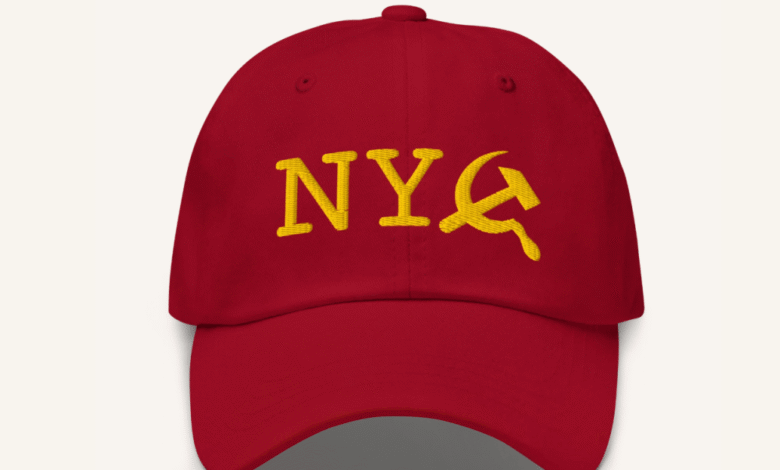
The recent buzz around a specific line of merchandise from Tucker Carlson’s online store offers a fascinating glimpse into the mechanics of the modern influencer economy. While his shop typically features right-wing apparel and provocative home goods, a new collection, including items like an “NY Commie” baseball cap and an “I HEART NICOTINE” mug, has unexpectedly resonated with a different crowd: irony-embracing leftists. This crossover appeal highlights a broader trend where political and cultural content creators increasingly leverage branded physical goods to expand their reach and monetize their platforms, regardless of ideological alignment.
Online discussions reveal a conflicted admiration for the designs, with some progressives joking about waiting for thrift store copies or seeking dupes from worker-owned media companies. This reaction underscores a key dynamic: merchandise can transcend its original audience, becoming a cultural token that sparks conversation far beyond a creator’s core followers. For Carlson, who now operates primarily in the digital space after leaving Fox News, viral merchandise represents a strategic evolution in his business model, complementing his long-form podcasts and affiliate marketing for various brands.
The phenomenon extends far beyond political commentary. For many influencers, the content itself, videos, posts, and podcasts, often functions as a loss leader or marketing tool for more lucrative ventures. A prime example is MrBeast, whose extravagant video productions are reportedly unprofitable on their own. His real financial engine is a growing line of consumer products, including snacks and chocolates. An executive from his company framed the content side as “a marketing investment in everything else we do.” This model is now standard: beauty gurus launch makeup lines, lifestyle influencers sell matcha, and fitness experts build activewear brands. The goal is to convert audience trust into direct sales, creating revenue streams that are more sustainable and scalable than ad revenue alone.
Some creators take this a step further by licensing their likeness entirely. Khaby Lame, TikTok’s most-followed user, recently signed a near-billion dollar deal allowing a Chinese e-commerce firm to use his image and an AI avatar to sell products. This represents a pinnacle of the creator economy, where a personal brand becomes a detached, monetizable asset. The individual creator is no longer the sole salesperson; their digital persona works independently.
Merchandise is equally central to political movements, most notably the MAGA ecosystem, where the iconic red hat became a symbol of an era. Other figures, like right-wing vlogger Nick Shirley, quickly capitalize on viral moments by selling themed apparel. The Trump Organization itself has aggressively pursued legal action against unauthorized merchandise, recognizing the immense value in controlling branded goods. The sentiment that Donald Trump would try to sell dogshit if he could brand it captures the sheer commercial drive underpinning much of this space.
Returning to Carlson’s latest offerings, the designs are knowingly ironic, crafted to appeal across the political spectrum. The “NY Commie” hat can be worn both by someone genuinely fearing a radical takeover and by a Brooklyn democratic socialist finding humor in the caricature. Whether Carlson actually sells many hats to the latter group is almost secondary. The real victory is in the attention and the shared joke within progressive group chats, where the reaction might be, “Someone cooked here.” This merchandise serves as a clever Trojan horse, allowing Carlson to subtly normalize his presence in online spaces typically hostile to him. It pokes at impulses of conspicuous consumption, delivering a message that doesn’t require watching a single video. The product itself becomes the content and the conversation, demonstrating the potent, often ambiguous, power of physical goods in a digital world.
(Source: The Verge)