NASA Sets April 1 Launch Date for Artemis II Moon Mission
▼ Summary
– NASA has resolved the issue that required the Artemis II rocket to be rolled back from its launch pad last month.
– The problem was a dislodged seal obstructing helium flow into the rocket’s upper stage, which was repaired in the Vehicle Assembly Building.
– The rocket had previously passed a key fueling test, overcoming an earlier hydrogen leak issue.
– The upper stage’s umbilical lines are only accessible inside the Vehicle Assembly Building, necessitating the rollback for repairs.
– Engineers are now investigating what caused the seal to become dislodged to prevent a recurrence.
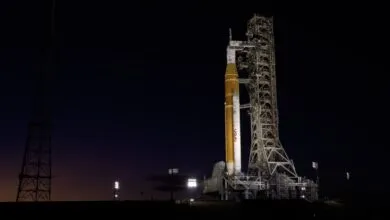
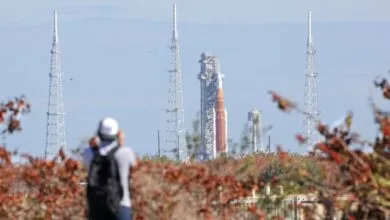
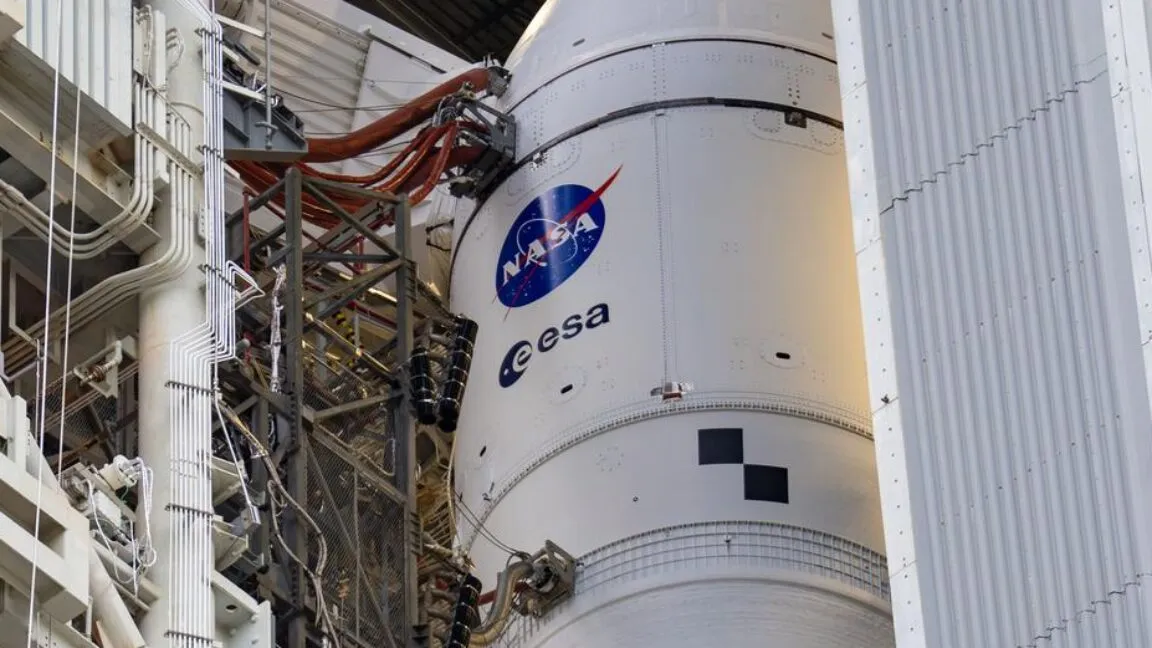
NASA has resolved the technical issue that required the Artemis II moon mission rocket to be removed from its launch pad, though officials indicate it will still be a few weeks before the vehicle is ready to return to the launch complex in Florida. The Space Launch System (SLS) rocket could have potentially launched soon after a successful fueling test on February 21st, which appeared to overcome a persistent hydrogen leak that had previously delayed the mission. However, a separate problem emerged just one day later when ground teams encountered difficulties flowing helium into the rocket’s upper stage.
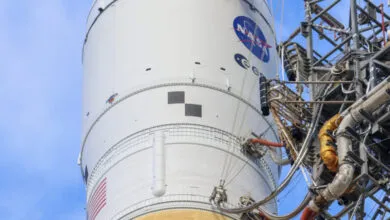
Unlike issues with the core stage, which can often be addressed at the launch pad, the umbilical lines for the upper stage are only accessible inside the massive Vehicle Assembly Building (VAB) at Kennedy Space Center. This logistical constraint prompted mission managers to promptly decide on rolling the 322-foot-tall rocket back to the VAB for troubleshooting. The move was completed on February 25th.
Engineers identified the root cause within a week. Inspections showed that a seal within a quick disconnect fitting, the mechanism through which helium flows from ground systems into the rocket, had become dislodged and was obstructing the pathway. The team removed the quick disconnect, reassembled the system, and began validating the repairs. This validation process involves running a reduced flow rate of helium through the mechanism to confirm the issue is fully resolved.
NASA engineers are now conducting a detailed assessment to understand what caused the seal to become dislodged in the first place. This analysis is crucial for preventing a recurrence of the problem in future operations. The focus is on ensuring all systems are fully reliable before the rocket makes its next journey to the launch pad, a move that is now scheduled for no earlier than mid-April. This careful, methodical approach underscores the agency’s priority on mission safety and success for this critical step in returning astronauts to the lunar vicinity.
(Source: Ars Technica)