Samsung Exec Blames Rising Costs on RAM for Galaxy S26 Price Hike
▼ Summary
– The Samsung Galaxy S26 and S26 Plus are more expensive this year, with a $100 price increase over their predecessors.
– A significant contributor to the price hike is a global memory shortage, as confirmed by Samsung’s mobile business COO.
– While the base S26 now has double the storage, its price is still higher than a similarly equipped previous model.
– The memory shortage is severely impacting the broader smartphone industry, with Qualcomm citing a major dip in its handset business.
– Industry analysts forecast a historic 12.9% drop in global smartphone shipments in 2026 due to this supply chain shock.
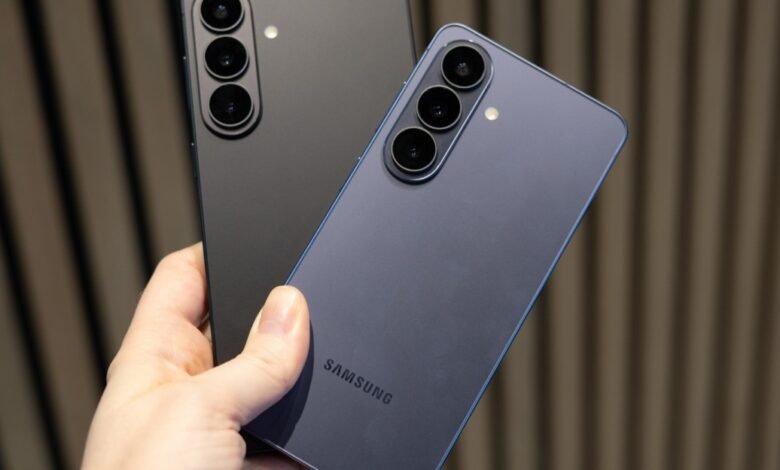
The upcoming Samsung Galaxy S26 and S26 Plus will carry a higher price tag, and a company executive has pointed directly to a critical component shortage as a primary driver. Samsung’s Won-Joon Choi, the COO of its mobile business, confirmed that the ongoing memory shortage made a “significant contribution” to the increased cost. While rising material expenses and tariffs also played a role in the $100 price hike over last year’s models, Choi emphasized that the RAM situation was particularly impactful. This shortage is creating broader waves, with industry analysts warning of severe implications for the entire smartphone market.
The new base model S26 does offer double the internal storage, moving to 256GB instead of 128GB, for its $899 starting price. Even with that added capacity, it launches at a premium compared to the equivalent 256GB version of the previous S25. The price increases are not confined to the United States, suggesting global supply chain pressures are at play. The top-tier S26 Ultra model brings more substantial upgrades to justify its cost, featuring a novel built-in privacy screen and what Samsung claims is the largest vapor chamber cooling system ever put in a smartphone.
This memory crunch, often referred to as “RAMageddon,” extends far beyond a single phone launch. Samsung’s chip partner Qualcomm recently alerted investors that a dramatic dip in its handset business was “100 percent” linked to the memory shortage. The company further warned that the massive demand for components from the artificial intelligence industry is likely to dictate the scale of phone production throughout the entire year. The competition for essential parts is creating a squeeze that manufacturers are struggling to navigate.
The situation appears poised to worsen before it improves. Market research firm IDC is now forecasting a historic decline in global smartphone shipments for 2026, predicting a staggering 12.9 percent drop. In their analysis, IDC describes the current crisis as more than a temporary bottleneck. They characterize it as a “tsunami-like shock originating in the memory supply chain,” with disruptive ripple effects now spreading across the entire consumer electronics landscape. This suggests consumers may face higher prices and potential availability issues for a wide range of devices in the near future.
(Source: The Verge)