RAM Shortage Threatens Your Favorite Tech

▼ Summary
– A severe, AI-driven global RAM shortage is causing prices to triple or more, with no immediate end in sight, as three companies control most supply.
– This shortage will directly impact consumers through higher prices and reduced availability for smartphones in 2026, potentially increasing average phone costs by up to 8%.
– Game consoles and handhelds like the Nintendo Switch 2, PlayStation 6, and Steam Deck are facing delays, price hikes, and stock shortages due to the memory crisis.
– Laptop prices are also expected to rise significantly, with manufacturers planning hikes of 10-30% and reported cost increases for key components like RAM and SSDs.
– Industry leaders predict the RAM shortage will persist until at least 2028, as memory manufacturers are expanding production slowly to avoid past losses from overproduction.
The cost of memory is soaring, and this isn’t just a problem for PC builders. A severe global RAM shortage, driven by insatiable demand from artificial intelligence companies, is poised to hit consumers directly through higher prices and limited availability for smartphones, game consoles, laptops, and countless other devices by 2026. This widespread “RAMageddon” threatens to increase the cost of everything with a computer inside it, as a market dominated by just three major suppliers struggles to keep up.
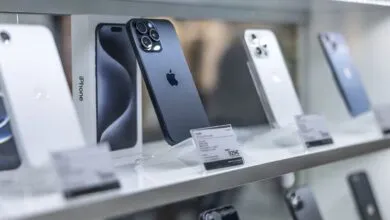
If you plan to buy a new phone in the coming years, prepare to pay more. Industry analysts unanimously warn that the memory crunch will reverse recent sales growth, leading to fewer available devices and significant price increases. Qualcomm’s CEO has stated that a downturn in smartphone sales will be “100 percent” due to the memory shortage, with manufacturers likely to focus on more profitable high-tier models. For consumers, this could mean a $500 phone jumping to $600 or more, while flagship models may simply offer less memory for the same high price. Even Apple, known for its supply chain leverage, is reportedly facing steep cost increases from suppliers like Samsung and SK Hynix, which may force iPhone prices upward.
Your gaming experience is also on the line. The traditional console business model, already under pressure, is facing further disruption. Reports indicate the anticipated Nintendo Switch 2 could see a price hike, and Sony’s next PlayStation might be delayed. Valve, which heavily subsidized the original Steam Deck, has discontinued its cheapest model and warned that its upcoming Steam Machine faces delays and higher costs due to memory. Other handheld PCs, like the Lenovo Legion Go 2 and MSI Claw, are launching at higher price points with less generous specifications, a direct result of memory shrinkflation.
The laptop market is bracing for some of the most dramatic increases. PCs require substantial RAM, and manufacturers did not stockpile ahead of the shortage. Combined with soaring SSD prices, this has led major brands like Lenovo, Dell, and HP to plan price hikes of 10 to 30 percent. Modular laptop company Framework reports its memory costs have risen from $10 to as much as $16 per gigabyte, forcing it to raise prices. Even the world’s largest PC maker, Lenovo, which has been hoarding RAM, admits its memory costs surged 40-50 percent last quarter and could soon double.
Don’t expect a quick resolution. Industry leaders predict the shortage will persist with “no relief until 2028.” The three companies controlling 95% of the DRAM market, Micron, SK Hynix, and Samsung, are profitable and expanding production, but new fabrication plants take years to build. Having learned from past cycles of overproduction and losses, they are proceeding cautiously. In the interim, these suppliers will maximize profits, and the added expense will inevitably travel down the supply chain, landing squarely in the budgets of everyday consumers.
(Source: The Verge)