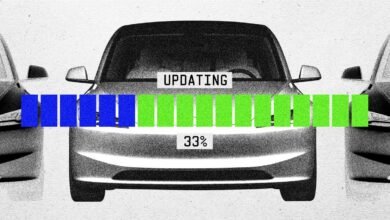
What Happens to Your Car’s Software If the Company Fails?
▼ Summary
– Modern cars are becoming vulnerable to complete failure if the manufacturer’s software servers go offline, preventing basic functions like starting.
– A car’s long-term operability is now tied to the financial health of its software provider, not just its mechanical components.
– Vehicle software has evolved from simple engine management to controlling essential features like door locks and climate preconditioning.
– Software issues can strand a car indefinitely, unlike mechanical problems which were often locally diagnosable and repairable.
– The Fisker Ocean’s rapid market exit after its company’s bankruptcy serves as a real-world example of this risk to vehicle longevity.
The modern automobile is no longer just a collection of mechanical parts; it is a sophisticated computer on wheels, reliant on complex software to manage everything from engine performance to door locks. This fundamental shift creates a new and significant risk for owners: what happens to your car’s essential functions if the company that wrote its software goes out of business? The convenience of smartphone-controlled features and over-the-air updates comes with a hidden vulnerability, tying the vehicle’s long-term usability directly to the financial health of its manufacturer.
Consider the unsettling possibility of your car refusing to start, not due to a mechanical fault, but because a remote server it needs to contact has been permanently shut down. For an increasing number of software-dependent vehicles, this is a genuine concern, moving beyond minor app glitches to threaten the core utility of the automobile itself.
Automotive software has evolved dramatically from simple engine control units. Today’s vehicles are deeply interconnected systems where digital code manages critical operations. Owners routinely use manufacturer apps to unlock doors, locate their vehicle, or preheat the interior. In some models, the physical key fob is almost redundant, as the car requires a connected smartphone app for basic access. This integration offers undeniable convenience but introduces a single point of failure far removed from the traditional garage.
There’s a growing appreciation for the simplicity of older vehicles, where a knowledgeable mechanic could diagnose and repair most issues with tools and experience. A software failure, however, can immobilize a car completely, leaving it stranded not for lack of a physical part, but for the absence of a specialized software patch or a live connection to a company server that no longer exists.
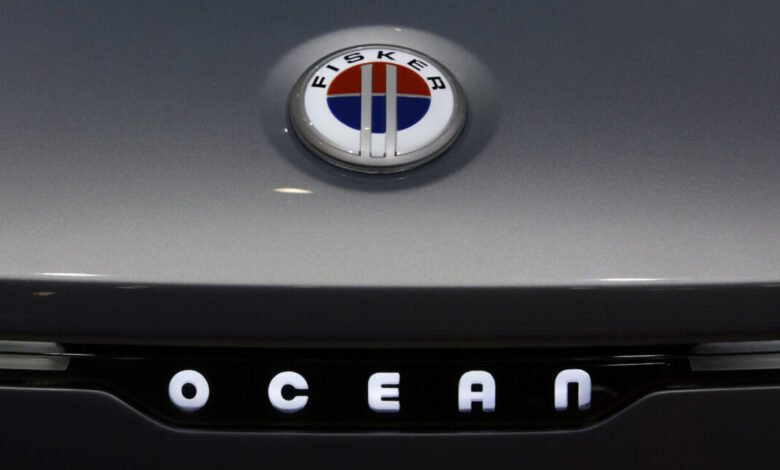
Real-world examples are already emerging. Take the case of Fisker. The Californian electric vehicle maker launched its Ocean SUV in the UK in May 2023, positioning it as a rival to the Tesla Model Y. Despite features like a retractable roof and a large, rotating touchscreen, the company filed for bankruptcy barely a year later. While the vehicles came with extensive warranties covering the battery and powertrain for up to ten years, the future of their proprietary software and connected services now hangs in the balance. Owners are left wondering if essential digital functions will remain supported or if their high-tech investment could become digitally orphaned.
(Source: Ars Technica)