Foldable Phones: The Future of Laptops?
▼ Summary
– The author is an experienced tech journalist and co-host of the Vergecast podcast.
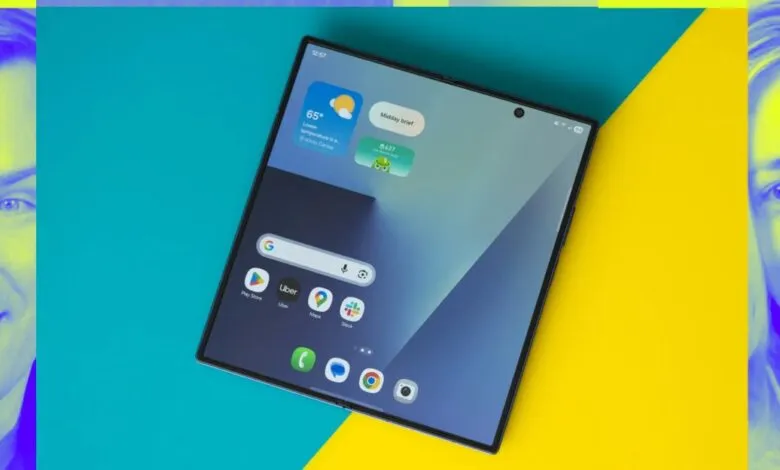
– Foldable phones are now making the long-held idea of using a phone as a laptop more feasible by providing a much larger screen.
– The episode discusses sports streaming, noting it is better than ever but also chaotic, with topics like YouTube’s growing influence.
– A listener question is addressed about whether one device, like a flip phone with AI, can functionally serve as two separate devices.
– The software currently prevents a single device from effectively feeling and working like two distinct devices, despite the theoretical possibility.
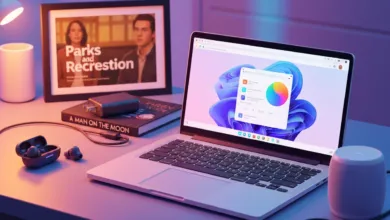
The dream of a single device that functions as both a powerful smartphone and a capable laptop has captivated users for years. Modern phones pack immense processing power, hold our essential apps and data, and maintain constant connectivity. The primary limitation has always been the form factor, a screen and keyboard too small for serious productivity. The emergence of foldable phones is fundamentally changing this equation, offering a truly expansive screen that fits in a pocket and making the phone-as-laptop concept more viable than ever before.
This shift opens up a world of possibilities for how we work and consume content on the go. The traditional barriers are dissolving, allowing these versatile devices to tackle tasks that once required a separate computer. The conversation around portable technology is being rewritten as these larger, flexible displays become mainstream.
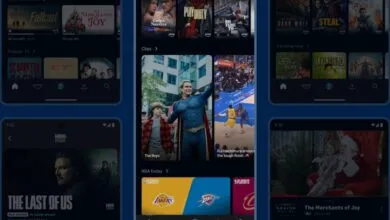
Beyond the hardware revolution in mobile devices, the landscape of how we watch content is also undergoing significant transformation. The world of sports streaming, for instance, is in a state of fascinating flux. Coverage is becoming more immersive with technologies like aerial drones providing dynamic camera angles at major events like the Winter Olympics. While some broadcasts, like a straightforward Super Bowl, can be reliably predictable, the business behind them is anything but.
Major platforms like YouTube are gaining substantial influence, not just in general video but specifically within the sports broadcasting arena. This shift in power dynamics is creating new opportunities and challenges for traditional networks and streaming services alike. Recent discussions about potential deals involving giants like Netflix, Paramount, and Warner Bros. Discovery highlight the ongoing consolidation and competition. For viewers, the result is a mixed bag: access to sports content is broader and often of higher quality, but navigating the fragmented array of required services can feel chaotic.
Shifting focus back to personal devices, a common question arises about the nature of these advanced gadgets. Can a single piece of hardware, like a modern flip phone enhanced with artificial intelligence, genuinely provide the experience of using two separate devices? Theoretically, the answer leans toward yes. The hardware capabilities exist to support multiple modes of operation, from a compact communication tool to a mini-tablet for media and work.
However, the current reality often falls short of this ideal. The most significant hurdle is not the physical technology but the software experience. Operating systems and applications frequently struggle to adapt seamlessly between the different form factors and use cases. This disconnect means that while the device can transform, the user interface and functionality don’t always make the transition feel intuitive or complete. The promise is clear, but fulfilling it requires a deeper, more cohesive integration between the device’s physical design and its digital ecosystem.
(Source: The Verge)