▼ Summary
– Neurodegenerative diseases profoundly impact entire families, not just the patient, by slowly eroding memory, personality, and independence while transforming family roles.
– The major scientific barrier to treating these diseases is the blood-brain barrier, which protects the brain but also blocks most therapeutic drugs from entering.
– Biotech company Aerska has raised $39 million to develop a delivery system that allows genetic medicines to cross the blood-brain barrier via a standard injection into the bloodstream.
– Their technology aims to use RNA interference to target the root cause by reducing the production of disease-causing proteins in conditions like Alzheimer’s and Parkinson’s, rather than just managing symptoms.
– The company’s goal is grounded in improving healthspan and preserving patient dignity, representing a significant, ambitious shift in tackling these diseases despite the substantial scientific challenges ahead.
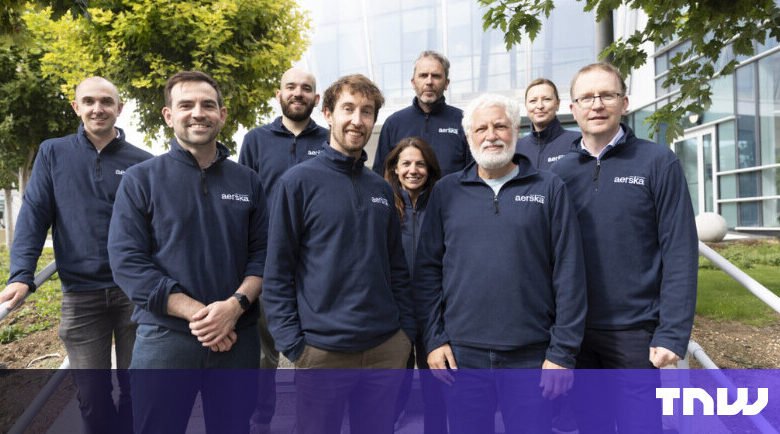
For families facing neurodegenerative disease, the journey often begins with a diagnosis, but the true challenge lies in the relentless progression that follows. The slow erosion of memory, personality, and independence reshapes entire lives, creating a profound need for treatments that address the root causes of conditions like Alzheimer’s and Parkinson’s. Aerska, a biotech firm based in Dublin, has secured $39 million in new funding to tackle one of the most significant hurdles in this field: delivering advanced genetic medicines directly to the brain.
This investment round was co-led by EQT Life Sciences and age1, investors recognized for supporting high-stakes, transformative biotechnology. Their commitment reflects a belief in moving beyond merely managing symptoms toward potentially slowing or halting disease progression at its source. The core challenge is the blood-brain barrier, a highly selective protective system that shields the brain from toxins but also blocks most therapeutic drugs. Even the most promising treatments designed to silence harmful genes cannot reach their target if they cannot cross this biological frontier.
Aerska’s approach focuses on creating a delivery mechanism that acts as a secure pass for these medicines. Rather than relying on invasive methods that inject drugs directly into brain tissue, the company is developing a technique to administer treatment through the bloodstream. Their technology is designed to safely escort genetic therapies past the brain’s defenses, allowing them to enter cells and reduce the production of specific proteins known to drive neurodegeneration. In essence, while the science of RNA interference to silence disease-causing genes exists, Aerska is building the critical delivery vehicle to make it a practical reality.
The company’s initial research targets genetic factors involved in Alzheimer’s and Parkinson’s diseases, both of which currently lack cures. Existing medications primarily address symptoms without altering the underlying disease trajectory. RNA interference represents a fundamentally different strategy, aiming to intervene earlier in the biological process by diminishing the production of problematic proteins themselves. This shift from downstream symptom management to upstream biological intervention is central to Aerska’s mission.
Within the European biotech landscape, discussions often center on the concept of healthspan, the quality of life and functional independence in later years, rather than merely extending lifespan. Aerska aligns with this pragmatic vision. The ultimate goal is not abstract immortality but tangible improvements: more time with recognizable loved ones, greater preservation of personal dignity, and sustained autonomy at home. The newly acquired funds will support preclinical development and initial clinical work, navigating a path where neurological drug development has historically seen high rates of failure.
The obstacles are undoubtedly substantial, and success is not guaranteed. However, proving that systemic RNA delivery to the brain can be both safe and effective would represent a paradigm shift in treating neurodegenerative disorders. For now, Aerska embodies a focused ambition within European biotechnology: to confront one of medicine’s most formidable challenges not with small, incremental steps, but with the determination to fundamentally change the course of disease.
(Source: The Next Web)