Windows Secure Boot Certificates Expire in June: Your Action Plan
▼ Summary
– Windows 8 introduced UEFI Secure Boot, a system to verify PC bootloaders and block unverified software at startup.
– Secure Boot became a mandatory requirement for installing Windows starting with Windows 11 in 2021.
– The original security certificates for Secure Boot, established in 2011, are set to expire in June and October of 2024.
– PCs that do not receive patches with new certificates before the deadline will continue to function but enter a degraded security state.
– This degraded state prevents future security mitigations and may cause compatibility issues with newer operating systems and software.
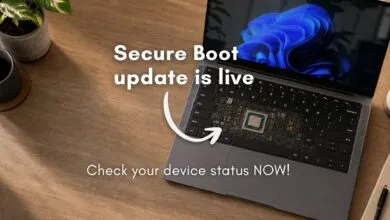
While the touch-centric interface of Windows 8 left a lasting impression, its introduction of UEFI Secure Boot marked a more significant, long-term shift in PC security. This system, which verifies bootloaders to block unauthorized software at startup, became a foundational requirement for Windows 11. Since its inception in 2011, Secure Boot has relied on the same set of security certificates. These foundational certificates are now scheduled to expire, with key dates arriving in June and October of this year.
Microsoft has been preparing the ecosystem for this planned expiration for an extended period, working with major PC manufacturers to ensure a smooth transition. Renewing such certificates is a standard security practice, though it typically only garners attention when an issue arises. The primary concern lies with devices that, for any reason, fail to install the necessary updates before the certificates fully expire in June 2026.
A device that misses these updates will not suddenly stop working. Existing software and daily operations will continue normally. However, the system will enter what Microsoft describes as a “degraded security state.” This status has critical implications for long-term security and compatibility.
The most immediate risk is to future security. Without the updated certificates, a PC loses its ability to receive and install crucial boot-level protections. As new vulnerabilities in the Secure Boot process are inevitably discovered, an affected system becomes progressively more exposed, as it cannot apply the necessary mitigations.
Furthermore, compatibility challenges will emerge over time. Newer operating systems, updated firmware, and certain hardware or software that depends on Secure Boot validation may fail to load or install on a system with expired certificates. This could effectively block the path to upgrading to future versions of Windows or other operating systems that utilize the newer, 2023-era certificates.
In essence, while your computer won’t brick itself on the expiration date, ensuring it receives the updated certificates is vital for maintaining robust security and ensuring future compatibility with new software and hardware.
(Source: Ars Technica)