Will the Next Xbox Inherit Windows’ Flaws?
▼ Summary
– The next Xbox, planned for late 2027, will essentially be a full Windows PC with a TV/controller-first interface and support for third-party stores like Steam.
– This vision is previewed by the ASUS Xbox Ally handheld, which uses the Xbox Full Screen Experience mode to create a console-like Windows interface.
– A major challenge is that Windows, as a productivity OS, often lacks the polish and stability expected from a console, as seen when updates break gaming devices.
– Microsoft now has strong incentive to improve the Windows gaming experience, as it owns major PC gaming properties and faces competition from platforms like SteamOS.
– The central question is whether Microsoft can refine Windows into a stable, user-friendly platform for gaming in time for the next Xbox launch.
The upcoming Xbox console, expected no earlier than late 2027, is confirmed to be built on a full Windows PC architecture. This shift promises unprecedented flexibility, including support for third-party game stores like Steam and Epic, but it also raises significant questions about user experience. The central challenge for Microsoft will be merging the open, sometimes-unruly nature of Windows with the polished, reliable simplicity that defines the console experience. If the company fails, the next Xbox could feel like a major step backward for dedicated gamers.
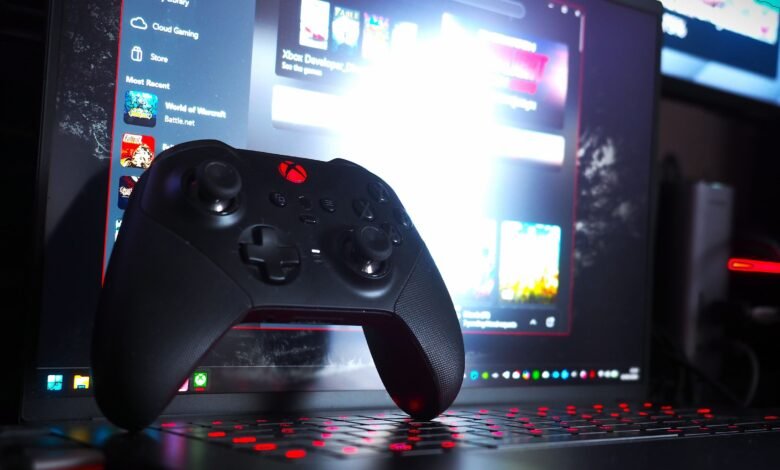
We already have a preliminary look at this vision through devices like the ASUS ROG Ally. This handheld uses a special Windows 11 mode called the Xbox Full Screen Experience (FSE), which transforms the Xbox app into the primary interface. It’s designed to streamline navigation with a controller and free up system resources. However, this early implementation highlights potential pitfalls. Recently, a standard Windows Update disrupted critical functions on the Ally, blocking power settings and other features, a frustrating scenario for any user, especially one who invested in a premium device.
This incident underscores a broader concern. The current Xbox Series X|S operating system is remarkably stable and refined, the result of years of iteration. In contrast, Windows, while powerful, has a reputation for complexity, unexpected updates, and performance quirks that can interfere with gaming. For millions, gaming is the primary reason they use Windows at home, yet the platform hasn’t always served this audience flawlessly. Growing frustration has even spurred interest in Linux alternatives among PC gamers.
The mission to unify these two worlds is formidable. Windows is fundamentally a productivity-first environment with vast legacy support, while Xbox is a dedicated gaming platform. Their development priorities have historically differed. The Xbox team focuses on a seamless, living-room-friendly experience with features like integrated Discord and easy content sharing. The Windows team manages a global ecosystem where gaming is just one of countless use cases.
Now, the incentives for change are stronger than ever. With Microsoft’s acquisition of major studios like Activision Blizzard, the company owns a vast portfolio of properties that thrive on PC. As the console market becomes more competitive and platforms like SteamOS gain traction, Microsoft has a direct business reason to improve the Windows gaming experience. The company has reportedly established a task force to address Windows 11 quality, with gaming as a key focus.
The ROG Ally offers a glimpse of both the promise and the problems. When it works, it delivers a compelling, console-like PC experience. Yet, it can suffer from interface lag, lacks deep Xbox console integrations, and often requires dropping to the traditional Windows desktop to adjust settings, a process that contradicts the “pick up and play” console ethos. Docking the device to a TV further reveals the current gaps in creating a truly living-room-optimized PC.
Ultimately, the success of the next Xbox hinges on a critical question: Can Microsoft deliver a version of Windows that is as reliable and user-friendly as a console? Building a stable, console-polished experience on an open Windows foundation is an immense technical and design challenge. It requires a sustained commitment from the highest levels of leadership to prioritize gaming polish alongside other initiatives like AI. For longtime console gamers accustomed to things “just working,” the transition to a Windows-based system could be jarring unless Microsoft executes this vision with exceptional care. The next few years of development will determine whether this hybrid approach becomes a breakthrough or inherits the worst traits of the desktop platform.
(Source: Windows Central)