YouTube Blocks Background Playback on Mobile Browsers

▼ Summary
– YouTube has begun blocking third-party mobile browsers from using a loophole for background playback, a feature reserved for Premium subscribers.
– This feature was previously accessible without a subscription through browsers like Brave, Vivaldi, and Edge.
– Google states the update ensures consistency, making background playback exclusive to Premium members across all platforms.
– Users of Samsung Internet, Brave, Vivaldi, and Microsoft Edge have reported the block in recent weeks.
– Some Firefox users have temporarily circumvented the block by switching their browser’s user-agent string to mimic Android VR.
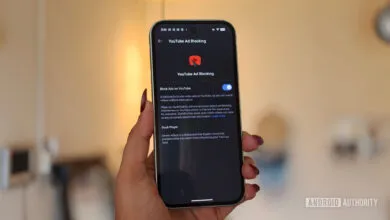
Many users have discovered that a popular workaround for listening to YouTube videos in the background on mobile browsers has been closed. This feature, which allows audio to continue playing when you switch to another app or lock your phone, is officially reserved for paying YouTube Premium subscribers. For years, people using browsers like Brave, Vivaldi, and Microsoft Edge on their phones could enjoy this benefit without the monthly fee, but that free ride appears to be over.
Google has confirmed the change, stating that background playback is a core part of the Premium subscription. A company spokesperson explained that while some non-subscribers previously accessed the feature through mobile web browsers under specific conditions, updates have been made to create a uniform experience. The goal is to ensure the perk remains exclusive to paying members across all platforms, including the official iOS and Android apps.
Reports of the block began surfacing last week, initially from users of the Samsung Internet browser. Complaints quickly followed from the communities of other popular third-party browsers, including Brave, Vivaldi, and Edge. The change effectively removes a significant incentive for users to avoid the official YouTube app. However, some tech-savvy individuals have found a temporary countermeasure. A number of Firefox users report they can still enable background playback by manually changing their browser’s user-agent string to mimic a different device, such as an Android VR system. This method is not guaranteed to work indefinitely, as Google could easily patch this new loophole as well.
(Source: The Verge)