Tech CEOs Break Silence After Minneapolis

▼ Summary
– The author recalls a private 2016 conversation with Apple CEO Tim Cook where they shared shock and dismay over Donald Trump’s election.
– In contrast, by 2025, Cook and other major tech CEOs like Andy Jassy were attending White House events flattering President Trump.
– This shift reflects a strategic calculation by tech leaders to protect their businesses from presidential ire through flattery and financial contributions.
– The behavior marks a reversal from earlier stances, as figures like Mark Zuckerberg and Sergey Brin had previously opposed or criticized Trump’s policies.
– Executives like Jeff Bezos and Sundar Pichai have also engaged in this pattern, seeking to influence policy and avoid tariffs or regulations.
The recent gathering of prominent technology executives at a White House event has ignited a fresh wave of scrutiny regarding the complex and often compromising relationship between Silicon Valley leadership and political power. This dynamic, characterized by a shift from private dismay to public accommodation, reveals the calculated pragmatism driving decisions at the highest levels of corporate America. The scene, which included figures like Tim Cook and Andy Jassy, unfolded against a backdrop of national tension, raising profound questions about corporate responsibility and moral consistency.
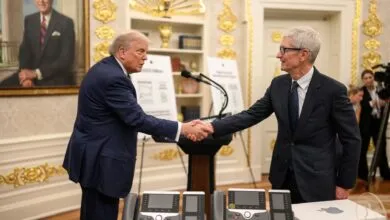
My own recollection of the immediate aftermath of the 2016 election involves a chance meeting with Apple’s CEO on a Palo Alto street. The shared sense of shock and foreboding in that conversation was palpable, a moment of unguarded humanity. That memory now stands in stark contrast to the image of the same executive, years later, attending a presidential screening. The event celebrated a media project funded by a corporate peer, occurring shortly after a deeply troubling incident involving federal agents in Minneapolis. While a brewing snowstorm offered a convenient exit, attendance was chosen over absence.
This pattern is not unique to one individual. Leaders of the world’s most influential tech firms have increasingly adopted a strategy of appeasement toward the current administration. Their companies, with global supply chains and massive user bases, are exceptionally susceptible to regulatory and fiscal retaliation from the White House. The balancing act of an earlier era, voicing objection to certain policies while maintaining necessary government relations, has largely been abandoned. In its place is a concerted effort to offer flattery, secure favorable deals, and provide substantial financial support for presidential initiatives. The anticipated return on this investment is straightforward: the mitigation of costly tariffs and the avoidance of punishing new regulations.
For many observers, this transactional approach has been a source of significant disappointment. Early perceptions of certain executives as civic-minded innovators have given way to a more cynical reality. The transformation of a major newspaper’s editorial stance under its tech-mogul owner into a platform more favorable to the administration is one clear example. Similarly, a social media founder who once championed immigrant rights and mentorship has since distanced himself from those advocacy efforts, aligning his public posture more closely with the powers that be.
The personal histories of some of these leaders make their current positions particularly dissonant. A search engine pioneer, whose own family sought refuge in the United States, once marched with employees protesting immigration policies. Today, similar families face detention and deportation, while the company he helped build contributes millions to a presidential project. Another CEO, an immigrant who once condemned administration policies as cruel, has since joined in the chorus of praise. Their journeys underscore a troubling divergence between personal narrative and professional capitulation, where the imperatives of shareholder value and market access appear to supersede earlier declared principles. The silence from tech boardrooms on critical issues now speaks as loudly as any past protest.
(Source: Wired)