Is TikTok’s New Update a Threat?

▼ Summary
– TikTok experienced a major technical outage last weekend due to a power failure at a US data center partner, disrupting video uploads and view counts.
– The outage coincided suspiciously with TikTok’s new US ownership structure, a joint venture partially owned by Oracle, whose co-founder has ties to Donald Trump.
– The platform’s opaque algorithm and political scrutiny have long concerned creators, with some viewing the Oracle-related outage as a final straw prompting plans to leave.
– Creators are reacting by downloading content, deleting accounts, or migrating to alternative platforms like UpScrolled, while user folklore suggests blocking Oracle to “fix” algorithms.
– TikTok’s immense cultural and economic impact means any major change to its algorithm or moderation could destabilize numerous industries, raising concerns it could be used for propaganda.
A major technical outage at a key US data center partner caused significant problems for TikTok users last weekend, disrupting video uploads and skewing view counts. This disruption occurred at a pivotal moment, coinciding with the formal establishment of TikTok USDS Joint Venture LLC, the new corporate entity partially owned by ByteDance and a consortium of investors including Oracle. For many within the platform’s community, the timing felt far from coincidental, sparking immediate suspicion and concern.
The involvement of Oracle, in particular, has long been a point of anxiety for users and creators, largely due to co-founder Larry Ellison’s well-documented political support for Donald Trump. The idea that the app experienced a widespread failure just as this new, Trump-aligned corporate structure took effect fueled a wave of speculation online. For a platform already under intense political scrutiny in the United States, the incident served to heighten existing fears about its future direction and governance.
Content creators, whose livelihoods depend on understanding TikTok’s often-opaque algorithm, are now grappling with renewed uncertainty. The platform is celebrated by many as a unique space for serious discourse and for amplifying narratives that might be marginalized elsewhere. However, it has also become a political target, with bipartisan support for legislation that could force its sale or ban. This latest outage, linked to the new Oracle partnership, has pushed some prominent figures to take action.
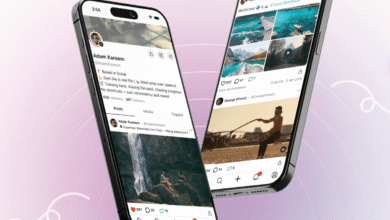
Actor and comedian Meg Stalter announced on Instagram that she was downloading her videos and deleting her TikTok page, stating the app is “under new ownership and we are being completely censored and monitored.” Her sentiment is echoed by other creators publicly discussing a potential exodus, with some migrating to alternative platforms like UpScrolled, which promotes itself as politically neutral. The outage also revived a persistent piece of TikTok folklore: users began sharing posts urging others to block the official Oracle TikTok account to “fix” their algorithm, a symbolic gesture of distrust.
The central question of what happens to TikTok’s powerful recommendation algorithm remains unanswered. The US operation has stated it will “retrain, test, and update” the system but has provided no specifics on timing or methodology. The impact of TikTok on the creator economy and digital culture cannot be overstated; it pioneered the addictive, slot-machine-style feed that now dominates social media and democratized viral fame. It has transformed music promotion, influenced global shopping trends, and become a primary news source for current events, including conflicts.
A radical shift in the platform’s content moderation or recommendation logic would destabilize countless creator businesses, upend marketing strategies for major brands, and alter the daily entertainment habits of millions. The concern that a powerful social media app could be leveraged as a propaganda tool is not theoretical, as evidenced by the changes at Twitter following its acquisition by Elon Musk. Even if TikTok’s core operations do not change immediately, the company may have already lost a critical degree of trust. A skeptical user base now has a specific entity, Oracle and its leadership’s political ties, to blame whenever anything goes wrong, creating a persistent reputational challenge that could be difficult to overcome.
(Source: The Verge)