Tesla Robotaxis: Cheaper Than Waymo, But Longer Waits
▼ Summary
– Tesla’s robotaxi service is significantly cheaper than competitors, averaging $8.17 per ride in San Francisco, but it has the longest average wait times at 15.32 minutes.
– Waymo’s robotaxi service is becoming more affordable, with its price gap compared to Uber and Lyft narrowing significantly since the previous report.
– A survey shows public comfort with robotaxis is growing, with 63% of respondents now comfortable, though cost and safety remain top concerns.
– Direct comparisons between Tesla and Waymo are limited because Tesla operates far fewer vehicles and lacks permits for driverless operations in California.
– Tesla’s aggressive pricing strategy resembles early Uber tactics, using subsidies to compete, but questions remain about its long-term sustainability and technological readiness for full autonomy.
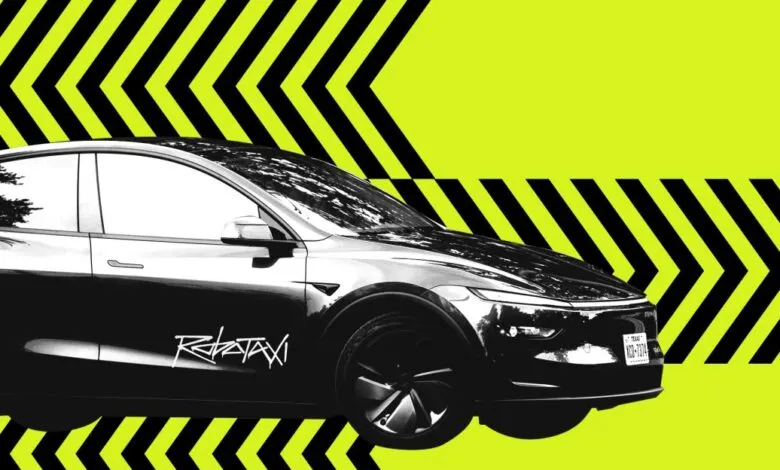
A new analysis of the competitive robotaxi landscape reveals a clear trade-off: Tesla’s emerging service offers significantly lower fares than rivals like Waymo, Uber, and Lyft, but passengers pay with their time through considerably longer wait periods. This pricing strategy, reminiscent of Uber’s early market-disrupting tactics, signals an aggressive push for market share, even as questions linger about the service’s scale and long-term viability.
The data comes from a recent report by the app Obi, which aggregates real-time pricing and pickup times. Their analysis, covering over 94,000 rides from late November 2025 through New Year’s Day 2026, provides a snapshot of a market in flux. The average Tesla robotaxi ride in San Francisco cost just $8.17, rarely exceeding $10 per trip. This dramatically undercuts Lyft’s average of $15.47 and represents a per-kilometer cost of $1.99, the lowest rate Obi has recorded. In stark contrast, Waymo’s service averaged $5.72 per kilometer.
While Tesla is setting a new low bar on price, the established leader, Waymo, is becoming more affordable relative to traditional ride-hailing. A previous Obi report found Waymo rides were 30–40% more expensive than Uber and Lyft. That gap is narrowing due to a combination of Waymo lowering its own prices and Uber and Lyft raising theirs. Currently, Waymo is about 12.7% more expensive than Uber and 27.3% more expensive than Lyft on average.
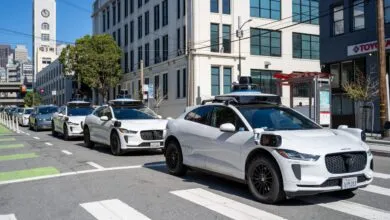
Direct comparisons between Tesla and Waymo come with major caveats, however. Tesla’s operational footprint is currently tiny, with only a handful of vehicles in San Francisco and Austin. Waymo, by comparison, reports a fleet of 2,000–2,500 vehicles across five U.S. cities, completing 450,000 paid trips weekly as of late 2025. Crucially, Tesla lacks permits for driverless operations in California and is only beginning limited testing in Texas, all while employing safety monitors in its vehicles. This foundational difference highlights that Tesla’s rock-bottom pricing is a strategic choice made early in its rollout, raising questions about its sustainability once the company scales and aims for full autonomy.
The primary drawback for Tesla’s budget-friendly service is availability. Passengers face an average estimated wait time of 15.32 minutes for a Tesla in San Francisco, which Obi notes is “considerably higher” than competitors. Waymo’s average wait time is a much quicker 5.74 minutes. In fact, outside of peak afternoon demand, Waymo’s wait times frequently beat Uber’s and are competitive with Lyft’s throughout the day.
Public sentiment toward robotaxis is shifting positively. An Obi survey of 2,000 people across four states found comfort with riding in a robotaxi jumped from 35% to 63% compared to the previous year. While high costs remain a top concern for 45% of respondents, confidence in the technology is growing; over half believe robotaxis will be safer than human-driven cars within five years. Persistent worries include safety (cited by over 50%), long wait times (33%), trip cancellations (29%), and a lack of market competition (24%). Obi plans to include Amazon’s Zoox, which recently launched a free service in San Francisco, in its next market analysis.
(Source: The Verge)