Ex-Google Team Builds Interactive AI Learning App for Kids

▼ Summary
– Sparkli is a generative AI-powered interactive learning app for children, founded by three former Google employees to address the limitations of text-only AI explanations.
– The app creates personalized, multimedia “expeditions” in response to children’s questions, using a mix of audio, video, images, quizzes, and games to teach modern topics like financial literacy.
– A key focus is on safety and pedagogy, with the startup employing educational experts to design content and having protocols to handle sensitive topics by promoting emotional intelligence.
– Sparkli is currently being piloted in schools for children aged 5-12 and includes a teacher module for tracking progress and assigning homework, with plans for a consumer launch by mid-2026.
– The startup has raised $5 million in pre-seed funding, led by Swiss venture firm Founderful, which cited the team’s technical skill and the product’s immersive learning approach as key reasons for investing.
A new wave of educational technology is emerging, driven by generative artificial intelligence, but many tools remain limited to static text or voice responses. A team of former Google employees has launched Sparkli, an interactive AI learning app designed specifically to captivate children’s natural curiosity through dynamic, multimedia experiences. Founded by parents Lax Poojary, Lucie Marchand, and Myn Kang, the startup addresses a common frustration: existing AI assistants fail to translate complex topics into truly engaging formats for young minds.
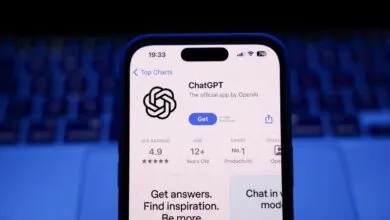
The founders observed that while services like ChatGPT could provide answers, they presented a “wall of text” that didn’t resonate with children. The core innovation of Sparkli is its ability to transform any question into an interactive “expedition,” blending audio, video, images, quizzes, and games into a cohesive learning path. Whether a child asks how cars work or what Mars looks like, the app generates a tailored, multimedia exploration on the fly, often within two minutes. This approach moves beyond passive consumption, allowing kids to interact with concepts directly.
Sparkli’s leadership brings significant tech pedigree. Poojary and Kang previously co-founded projects within Google’s Area 120 incubator, including Touring Bird and Shoploop, while CTO Marchand also has a background with Google. Their experience informs a product that prioritizes both technological sophistication and sound educational pedagogy. The company’s first hires included a PhD in educational science and AI, alongside a practicing teacher, ensuring content is both accurate and developmentally appropriate.
A critical focus for any child-facing AI platform is safety. The company has implemented strict content safeguards, completely banning certain topics. For sensitive queries, such as those about self-harm, the app is designed to guide conversations toward emotional intelligence and encourage dialogue with parents, rather than providing direct answers. This careful balance aims to build trust with families and institutions.
Currently piloted in over 20 schools with an audience of children aged 5 to 12, Sparkli also includes a dedicated teacher module. Educators can track student progress, assign homework, and use the app to spark classroom discussions. Inspired by the engagement mechanics of platforms like Duolingo, Sparkli incorporates streaks, rewards, and quest cards to motivate consistent learning. The startup plans to expand its school partnerships globally before opening direct consumer access to parents by mid-2026.
The venture has secured $5 million in pre-seed funding led by Swiss firm Founderful, marking the fund’s first dedicated edtech investment. Founderful’s founding partner, Lukas Wender, cited the team’s technical expertise and the significant market need for modern, immersive learning tools as key reasons for backing the company. He noted that Sparkli offers a valuable alternative to video games, teaching essential modern topics like financial literacy and technology innovation in a compelling way.
(Source: TechCrunch)