Sony Bravia 8 II OLED TV Review: A Dream for Enthusiasts

▼ Summary
– Sony’s Bravia 8 II is its latest high-end QD-OLED TV, continuing the company’s legacy of premium televisions and winning the “King of TV” title at the 2025 TV Shootout.
– It delivers exceptional picture quality with deep blacks, vibrant colors, and excellent processing that upscales lower-quality content better than its competitors.
– The TV runs on the Google TV operating system, which is considered a benefit over the interfaces used by rival brands like Samsung, LG, and Panasonic.
– While impressively bright for an OLED and very accurate out of the box, it has minor, enthusiast-level flaws like a slight blue tint in HDR whites, which professional calibration can correct.
– It is available in 55-inch and 65-inch sizes, but a design limitation is that only two of its four HDMI ports support the full 4K/120Hz specification needed for modern gaming.
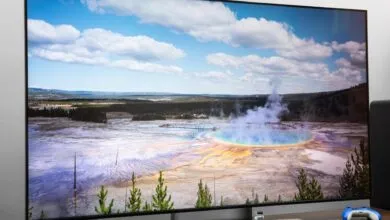
For those seeking a truly cinematic experience at home, the Sony Bravia 8 II OLED TV stands as a compelling choice, building upon the company’s legacy of exceptional display technology. This latest QD-OLED model continues Sony’s pursuit of reference-quality images, earning recognition for its deep blacks, stellar processing, and realistic picture quality. Since its debut, it has garnered significant praise, including top honors at a major industry shootout. It represents a refined step forward, offering slightly improved brightness over its acclaimed predecessor and the distinct advantage of the Google TV operating system, a user-friendly interface that outshines many competitors’ proprietary platforms.
While no television is flawless, the Bravia 8 II’s minor shortcomings are largely the domain of dedicated enthusiasts. For the average viewer, its performance straight out of the box is nothing short of spectacular. The core experience is defined by the marriage of QD-OLED technology and Sony’s renowned image processing. This combination delivers the infinite contrast and pixel-perfect control of OLED, enhanced by the vibrant color purity of quantum dots. The result is a breathtaking 4K image where stars truly sparkle against inky black space, and shadow details reveal textures often lost on other screens. Sony’s superior upscaling engine also deserves special mention, transforming everyday 1080p content from streaming or cable into a cleaner, more detailed picture than what rivals from LG, Samsung, and others can achieve.
A longstanding concern with OLED displays has been brightness, but this is far less of an issue with modern panels. The Bravia 8 II produces ample light for most living environments, measuring impressively in HDR highlights. It may not reach the peak brightness of the brightest mini-LED TVs or even some competing OLEDs like the LG G5, but for rooms without direct sunlight flooding in, it is more than sufficient. In a dedicated home theater setting, its SDR performance hits reference-level accuracy right out of the box in the Professional picture mode, demonstrating Sony’s commitment to creator intent.
Speaking of accuracy, the Professional mode provides an excellent starting point that will satisfy most users. However, a slight blue tint in near-white areas and a subtle coolness in some colors are detectable under critical measurement. This is where professional calibration makes a difference. For the cinephile investing in this premium television, a calibration elevates the image from excellent to near-perfect, correcting these minor color inaccuracies and unlocking the panel’s full potential. It’s an investment that aligns with the TV’s high-end aspirations.
The television’s design supports its performance-focused mission. The included feet offer two height settings, allowing you to position a soundbar directly beneath the screen, a thoughtful touch for a clean setup. Potential buyers should note the HDMI port configuration, however. Only two of the four inputs support the full HDMI 2.1 feature set for 4K/120Hz gaming with VRR, and one of those is typically reserved for an eARC soundbar or receiver, which could limit connectivity for gamers with multiple next-gen consoles.
Inherited traits of QD-OLED technology are present but improved. The lack of a polarizing filter can cause a faint purple haze on blacks in a brightly lit room, though this effect is less pronounced than on Samsung’s QD-OLED models. The unique triangular pixel structure can also lead to subtle color fringing on high-contrast edges, but you must actively look for it from a normal viewing distance. These are academic points for most; in daily use, the blacks remain profoundly deep and the contrast is stunning.
Choosing a television always involves trade-offs. The previous Sony A95L might be found at a discount and is marginally more accurate in its default state. The LG G5 can deliver a brighter image for sun-drenched rooms. Yet, the overall package offered by the Bravia 8 II is incredibly persuasive. It consistently provides an immersive, engaging, and emotionally resonant viewing experience that reminds you why you love watching movies and shows. For the enthusiast who values processing prowess, color fidelity, and that elusive cinematic feel, this is the television to beat.
(Source: The Verge)